No products in the cart.

Yes, you can still get help paying for external wall insulation in 2026. The two main external wall insulation grants open to UK households this year are ECO4, which is fully funded but closes on 31 December 2026, and the Warm Homes: Local Grant, delivered through local councils in England and running until March 2028. The older Great British Insulation Scheme (GBIS) has now closed. This guide explains each route, who qualifies, how much you can get and how to apply, so you can act before the funding windows tighten. All figures are current for 2026; grant schemes, budgets and deadlines change often, so always confirm the latest position with GOV.UK or your council before committing.
What external wall insulation grants are available in 2026?
Solid walls can be responsible for up to 35% of a home’s heat loss, and roughly 7.8 million UK properties have them, so external wall insulation (EWI) is one of the highest-impact upgrades a household can make. It is also one of the more expensive, which is why funding matters. Here is how the current schemes compare at a glance.
| Scheme | Delivered by | Where it applies | Maximum funding | Status in 2026 |
|---|---|---|---|---|
| ECO4 | Energy suppliers (via Ofgem) | England, Scotland, Wales | Fully funded for eligible homes | Open, closes 31 December 2026 |
| Warm Homes: Local Grant | Local councils | England | Up to £30,000 per home (£15,000 fabric + £15,000 heating) | Open, runs to March 2028 |
| Great British Insulation Scheme (GBIS) | Energy suppliers | Great Britain | Single measure | Closed (ended 31 March 2026) |
| Boiler Upgrade Scheme (BUS) | Ofgem | England and Wales | £7,500 (heating only, not EWI) | Open to 2029/30 |
Scotland, Wales and Northern Ireland also run their own devolved fabric and heating schemes, so if you live outside England the Warm Homes: Local Grant will not apply and you should check your national programme.
ECO4: fully funded external wall insulation until December 2026
ECO4 is the fourth phase of the Energy Company Obligation, and it remains the most established route to funded external wall insulation. It places a legal duty on medium and large energy suppliers to pay for energy-saving improvements in low-income and fuel-poor homes. Originally due to close on 31 March 2026, ECO4 was extended by nine months following a January 2026 consultation, so the scheme now ends on 31 December 2026. The Government has confirmed there will be no direct successor supplier obligation (no “ECO5”).
ECO4 takes a whole-house approach, aiming to bring a property up to at least an EPC C rating where feasible, so EWI is often installed alongside other measures such as loft insulation or a heating upgrade. For eligible households the work is fully funded, with no contribution from the occupant.
Who qualifies for ECO4?
To qualify under the main route you usually need to live in the property as an owner-occupier or private tenant (with landlord permission), and someone in the household must receive a qualifying means-tested benefit, such as Universal Credit, Pension Credit, income-based Jobseeker’s Allowance or Housing Benefit. Owner-occupied homes typically need an EPC rating of D to G. Many councils also operate a route called LA Flex (Local Authority Flexible Eligibility), which can bring in households on lower incomes who are not on benefits, with income thresholds commonly in the region of £31,000 to £38,000 depending on the council and household size.
Because ECO4 closes on 31 December 2026 and suppliers work to fixed targets, funding is effectively first come, first served. From enquiry to installation typically takes several weeks, so leaving an application to the autumn is risky.
The Warm Homes: Local Grant
The Warm Homes: Local Grant (WH:LG) has become the leading council-administered route to funded home upgrades in England. Unlike ECO4, it is funded directly by central government rather than through a levy on energy bills, and it is delivered by your local authority. The scheme opened in April 2025, has an initial £500 million allocation, and runs through to March 2028 across around 270 participating councils.
Funding is arranged as a dual cost cap: up to £15,000 per home for energy performance measures (which includes EWI, loft and cavity insulation, glazing and solar) and a further £15,000 for low-carbon heating such as a heat pump, giving a headline maximum of up to £30,000 per property. These caps are averaged across a council’s projects, and the actual package is decided by a home survey, so you will not automatically receive the full amount. The aim is to raise the property to EPC C where practical.
Free EWI grant eligibility under the Warm Homes: Local Grant
You do not need to be on benefits to qualify. In broad terms your home must have an EPC rating of D, E, F or G, and your household income must usually be £36,000 a year or less. Households above that threshold can still be eligible through alternative pathways, for example if they sit within the most deprived income deciles or meet local low-income proxy criteria set by the council. Homeowners and private tenants pay nothing towards the works. Landlords receive full funding for the first property and must contribute 50% of the cost for any additional properties, while tenants are never asked to pay.
How to apply
- Check eligibility and apply through the national service on GOV.UK (search “Apply for the Warm Homes: Local Grant”), or contact your council’s energy or housing team directly.
- If you need help applying, use the government helpline on 0800 098 7950.
- If you are eligible and your council still has funding, they will usually contact you within 10 working days to arrange a home survey.
- The council then organises and pays for the agreed work.
Because each authority sets its own local criteria, priorities and timescales, two similar households in neighbouring boroughs can get different outcomes, so it is worth checking what your specific council is offering rather than relying on what applies elsewhere.
Planning a grant-funded or private EWI project? Get your complete system and materials from Penguin BM, with fast UK delivery.
Shop nowThe Warm Homes Plan and what comes after ECO4
The wider policy backdrop is the Warm Homes Plan, published by the Department for Energy Security and Net Zero on 21 January 2026. It commits just under £15 billion of capital investment and is described by government as the largest energy efficiency programme in British history. External wall insulation is named explicitly as an eligible fabric measure.
The important structural change is the move away from supplier obligations. Once ECO4 ends in December 2026, there is no like-for-like replacement funded through energy bills. Instead, support for low-income households shifts to direct grants, with the Warm Homes: Local Grant and the Warm Homes: Social Housing Fund expected to consolidate into a single low-income scheme from 2027/28. The plan also confirms tighter minimum energy efficiency standards for privately rented homes by 2030, which increases the case for landlords to insulate now. If you might qualify for ECO4, it makes sense to apply while it is still running, since the shape and eligibility of what follows is not yet fully settled.
Is GBIS still available?
No. The Great British Insulation Scheme closed to new applications on 31 January 2026 and ended on 31 March 2026, with no carry-over into a successor. GBIS generally funded a single measure and was aimed partly at households in lower council tax bands. If you were counting on GBIS for wall insulation, the Warm Homes: Local Grant is the closest current replacement for council-based support.
Grant-funded EWI must meet UK standards
Whichever grant you use, the installation must be designed and delivered to recognised standards, and this is not just paperwork.
PAS 2035 and TrustMark
Grant-funded retrofit in England, Scotland and Wales must be carried out under the PAS 2035:2023 framework by a TrustMark-registered installer, with a Retrofit Coordinator overseeing the project. The 2023 update, in force from 30 March 2025, made Coordinator site visits mandatory and raised Retrofit Designer qualifications. Any low-carbon heating installed alongside must be MCS certified.
Fire performance
Buildings with a storey 18m or more above ground generally require external wall materials of limited combustibility, meaning a Euroclass A2-s1,d0 or A1 rating, which points to mineral wool insulation with a mineral render finish. On lower-rise homes, EPS is widely used within certified, fire-tested external wall insulation systems that incorporate appropriate fire barriers.
Thermal performance
An untreated solid brick wall performs at roughly 2.0 W/m²K or worse, whereas Building Regulations Approved Document L targets around 0.30 W/m²K when you upgrade a wall. A typical build-up reaches that with roughly 90mm to 120mm of insulation, depending on the insulant and target, so treat these as typical figures. For pricing, see our guide to external wall insulation cost.
Frequently asked questions
Can I get a free EWI grant, and how do I check eligibility?
Possibly, yes. Fully funded external wall insulation is available through ECO4 for households on qualifying benefits, and through the Warm Homes: Local Grant for lower-income households in EPC D to G homes in England. The quickest way to check free EWI grant eligibility is the eligibility checker on GOV.UK for the Warm Homes: Local Grant, or an ECO4 assessment through an approved installer.
Does ECO4 still cover external wall insulation in 2026?
Yes. ECO4 external wall insulation funding is still open, but the scheme closes on 31 December 2026 and there is no successor supplier obligation. Given the lead time from enquiry to installation, apply as early as you can rather than close to the deadline.
Who delivers the Warm Homes: Local Grant and how do I apply?
The Warm Homes: Local Grant is funded by central government and delivered by your local council in England. Apply through GOV.UK or your council directly. If eligible, the council usually contacts you within 10 working days to arrange a survey, then organises and pays for the agreed measures.
Can landlords use these grants?
Yes, with conditions. Under the Warm Homes: Local Grant, landlords receive full funding for the first property and pay 50% of the cost for further properties, with tenant permission required. ECO4 also covers privately rented homes in the lower EPC bands with landlord consent.
What happens after ECO4 ends?
From 2027 the emphasis moves fully to direct grants under the Warm Homes Plan, with the Warm Homes: Local Grant and Social Housing Fund expected to merge into a single low-income scheme. Exact eligibility and funding levels are still being finalised, which is why acting on current schemes now is sensible.
Planning a grant-funded or private EWI project?
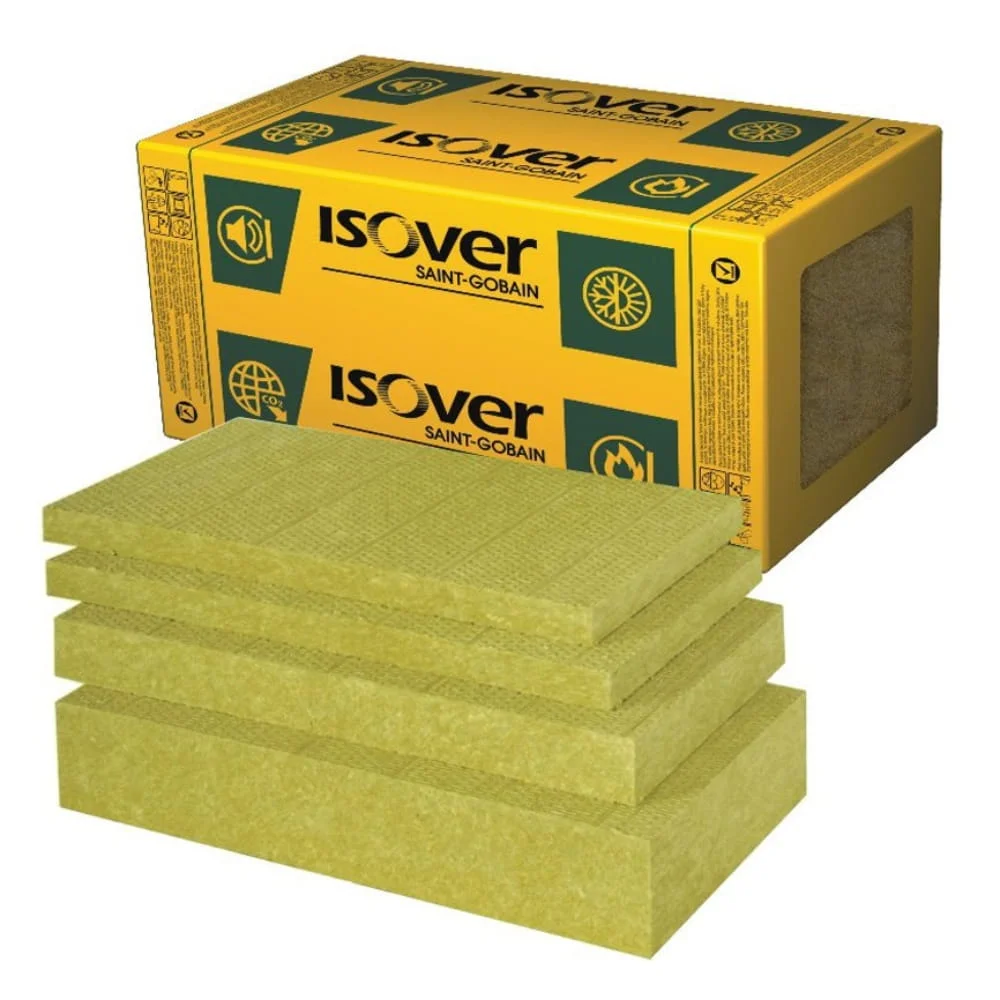
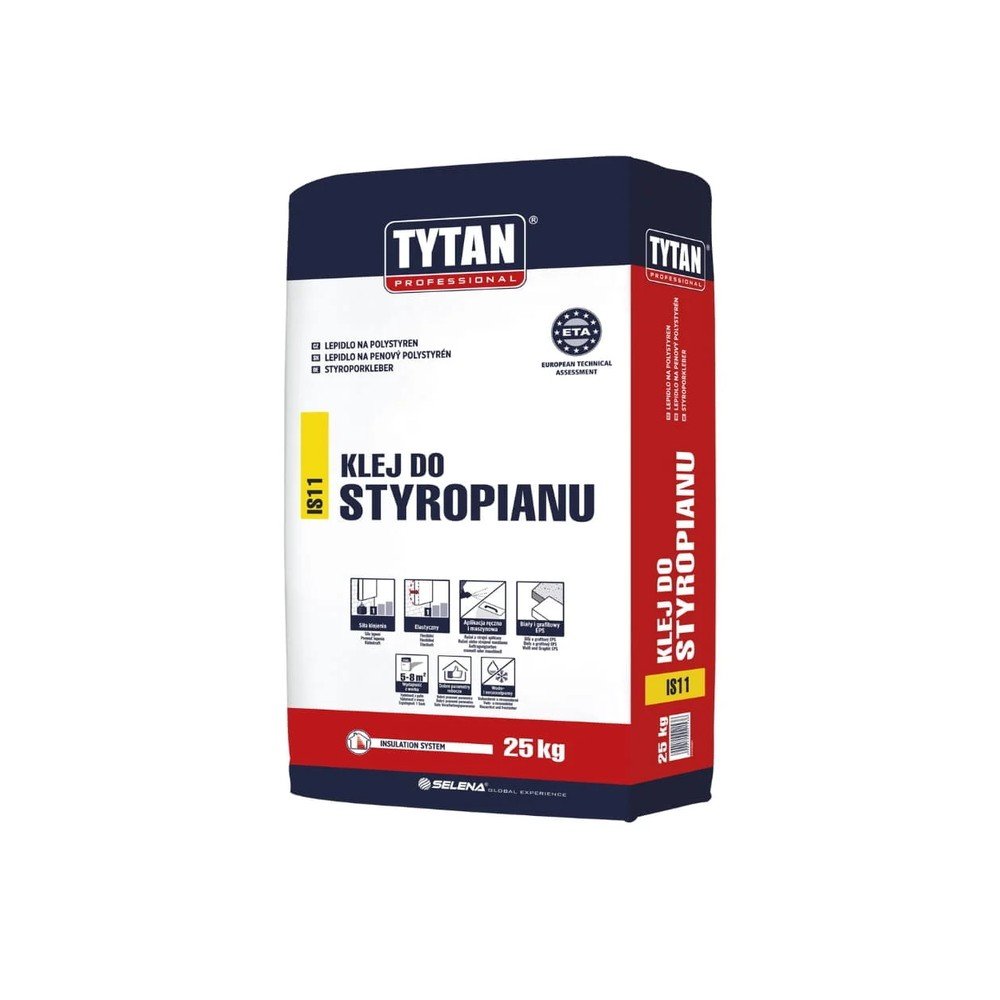
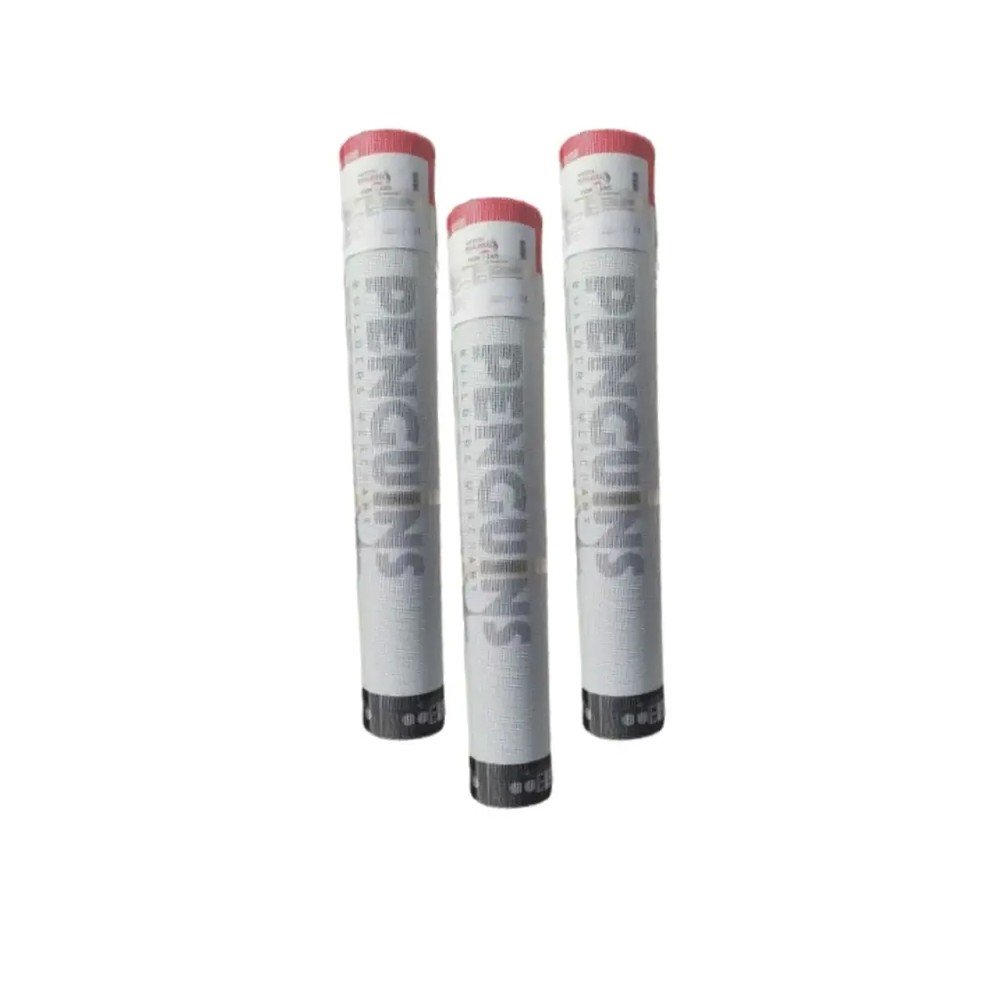
Penguin BM supplies complete external wall insulation systems along with insulation boards, renders, adhesives, reinforcing mesh, fixings and ancillaries for installers and homeowners across the UK. Whether you are fitting out a grant-funded retrofit or paying privately, we can put together the full specification. Request a trade or wholesale quote, or collect from our Wembley store, and we offer fast delivery throughout the UK. Get in touch with the team to price your project and check stock before your installation date.
Materials for your EWI project
Grant details in this guide are correct for 2026. Schemes, budgets, eligibility criteria and deadlines change, so confirm the current position with GOV.UK or your local authority before making financial decisions.
Related posts
Clear, UK‑specific pricing with cost per m², full‑project examples by property type, savings and payback, plus a step‑by‑step budgeting checklist. Built to help you compare... Continue reading
External wall insulation with graphite EPS boards is one of the most effective ways to reduce heat loss, cut energy bills, and improve comfort year-round.... Continue reading
Add comment