No products in the cart.

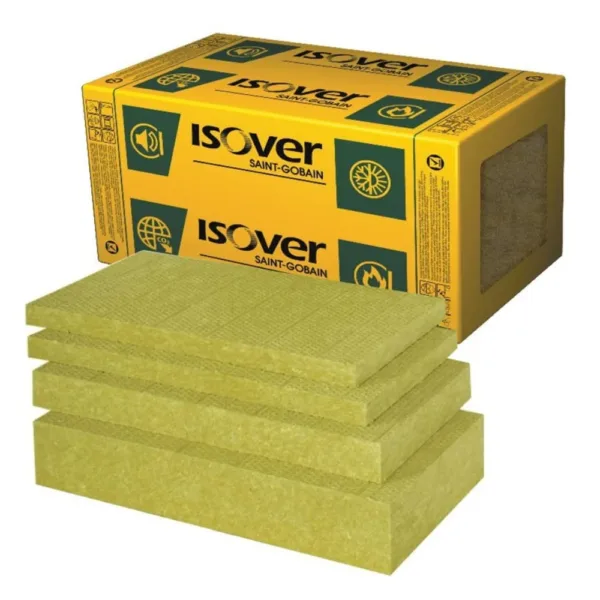
Mineral wool insulation boards are one of the most specified materials in modern construction, chosen for their outstanding combination of thermal efficiency, fire resistance and acoustic performance. Whether you're installing an external wall insulation system, insulating a cavity wall or upgrading a flat roof, Penguin BM stocks a range of mineral wool boards ready for fast UK delivery. Browse our products above or read the guide below to find the right board for your project.
What Is Mineral Wool Insulation?
Mineral wool is produced from natural rock materials or recycled slag, melted at extremely high temperatures and spun into dense fibrous boards. Unlike synthetic foam insulation products such as EPS or PIR, mineral wool is non-combustible, breathable and carries strong environmental credentials due to its high recycled content.
The material is available in two primary forms — stone wool (rock wool) and glass wool — each suited to different applications and performance requirements. It is widely used in external wall insulation, cavity walls, pitched and flat roofs, partition walls, and industrial cavity wall systems.
As building regulations increasingly demand higher fire performance and sustainability standards — particularly for buildings over 11m — mineral wool has become the preferred insulation choice for architects, contractors and developers working on commercial, residential and high-rise projects.
Types of Mineral Wool Insulation
Stone Wool (Rock Wool) Insulation
Stone wool is manufactured primarily from volcanic basalt rock. The raw material is melted and spun into a dense, rigid fibre structure that offers exceptional fire resistance — stone wool can withstand temperatures exceeding 1,000 °C without melting or releasing significant smoke.
Due to its higher density, stone wool is the preferred choice for external wall insulation (EWI) systems, rainscreen facades, flat roofing and high-rise developments where fire performance standards are most demanding. Its dense fibre structure also delivers superior acoustic insulation, making it ideal for apartment buildings, hotels, offices and properties near busy roads.
Glass Wool Insulation
Glass wool is produced using recycled glass combined with sand and mineral components, creating a lightweight fibrous material that provides effective thermal performance at lower density than stone wool. It is commonly used in loft insulation, cavity walls, suspended ceilings and timber frame constructions where ease of handling and lower material weight are priorities.
Stone Wool vs Glass Wool — Which Do You Need?
Use the comparison below to select the right mineral wool type for your project:
| Feature | Stone Wool (Rock Wool) | Glass Wool |
|---|---|---|
| Fire resistance | 🟢 Excellent — up to 1,000°C+ | 🟡 Good — up to ~400–700°C |
| Density | Higher (100–180 kg/m³) | Lower (10–48 kg/m³) |
| Acoustic performance | 🟢 Excellent | 🟡 Good |
| Thermal performance (λ) | 0.033–0.040 W/mK | 0.030–0.044 W/mK |
| Typical applications | EWI, rainscreen, flat roof, high-rise | Loft, cavity wall, timber frame |
| Weight | Heavier | Lighter — easier to handle |
| Best for | Commercial, high-rise, fire-critical projects | Residential, retrofit, loft insulation |
Key Benefits of Mineral Wool Insulation
- Non-combustible — classified as Euroclass A1 or A2; does not contribute to fire spread
- Excellent thermal performance — reduces heat loss through walls, roofs and floors year-round
- Superior acoustic insulation — dense fibre structure absorbs airborne noise effectively
- Breathable structure — allows moisture vapour to pass through, reducing condensation risk
- Mould and rot resistant — inorganic fibres will not support mould growth
- Long-term stability — maintains consistent thermal performance for the life of the building
- Sustainable — manufactured from natural and recycled materials with high recyclability
- Compatible with EWI systems — approved for use in BBA and ETA certified facade systems
Applications of Mineral Wool Insulation
Mineral wool boards are specified across a wide range of construction sectors and project types:
- External Wall Insulation (EWI): Mineral wool boards are used as the insulation layer within EWI systems, bonded to the substrate with a compatible insulation board adhesive and secured with mechanical fixings, then covered with fibreglass reinforcement mesh and render.
- Cavity Wall Insulation: Stone wool slabs and batts are widely used to fill wall cavities, improving thermal and acoustic performance in both new build and retrofit projects. See our cavity wall insulation guide.
- Flat and pitched roof insulation: Reduces heat loss and improves temperature stability in both residential and commercial roof constructions.
- Partition walls and ceilings: Improves acoustic separation between rooms in apartments, hotels, offices and multi-occupancy buildings.
- Industrial and HVAC applications: Used in pipe insulation, ductwork and fire compartmentation systems.
- Timber frame construction: Glass wool batts fit precisely between timber studs, providing efficient insulation in modern frame builds.
Thermal Performance and Energy Efficiency
Improving thermal performance is one of the primary drivers behind specifying mineral wool insulation. Buildings without adequate insulation lose significant amounts of heat through walls, roofs and floors, resulting in higher energy bills and greater carbon emissions.
Mineral wool boards reduce thermal bridging and improve the overall U-value of building elements. The fibrous air-trapping structure acts as an effective thermal barrier, lowering demand on heating and cooling systems throughout the year. As energy prices and Building Regulation requirements continue to rise, high-performance insulation has become essential for both compliance and long-term cost control.
Unlike some insulation products that may settle or degrade, mineral wool generally maintains consistent thermal properties for decades when correctly installed — contributing to predictable energy savings over the full lifespan of the building.
Fire Resistance and Safety
Fire safety is one of the strongest arguments for specifying mineral wool, particularly in the wake of stricter facade regulations for buildings over 11m following changes to Approved Document B.
Mineral wool insulation is classified as non-combustible (Euroclass A1 or A2). Stone wool products can withstand temperatures exceeding 1,000°C without melting, producing minimal smoke and no significant flame spread. This makes mineral wool the approved insulation type for high-rise residential buildings, hospitals, schools and commercial developments where non-combustible systems are now required.
In external wall systems, mineral wool prevents rapid flame propagation across building facades, supporting passive fire protection strategies and improving compartmentation. Products also produce very low levels of toxic emissions when exposed to heat, improving conditions for safe evacuation during emergencies.
Frequently Asked Questions
Is mineral wool better than EPS for external wall insulation?
Both materials are widely used in EWI, but they have different strengths. Mineral wool is non-combustible and provides better acoustic performance, making it mandatory in many high-rise and commercial applications. EPS (expanded polystyrene) is lighter, easier to cut and typically lower cost, making it the more common choice for residential EWI. For buildings over 11m, current UK building regulations generally require non-combustible insulation — mineral wool is the standard solution. Browse our full EWI insulation range to compare both options.
What thickness of mineral wool do I need for external walls?
The required thickness depends on the existing wall construction and the target U-value for your project (typically 0.30 W/m²K or better under current Building Regulations Part L). As a general guide: 50mm is common for moderate retrofit upgrades, 80–100mm is standard for most new-build EWI systems, and 120–150mm may be needed for Passivhaus or near-zero energy targets. Always consult a thermal modeller or the system manufacturer's guidance for a project-specific calculation.
Can mineral wool be used with an adhesive?
Yes. In EWI systems, mineral wool boards are bonded to the substrate using a compatible cementitious adhesive mortar or PU foam adhesive, then secured with mechanical fixings. It is important to use an adhesive specifically rated for mineral wool — standard EPS adhesives may not achieve adequate bond strength on mineral wool surfaces. See our range of insulation board adhesives.
Does mineral wool need to be primed before render?
In most EWI systems, the mineral wool board surface is first reinforced with a fibreglass mesh embedded in a basecoat adhesive layer. A primer is then applied before the finish render coat. Always follow the system manufacturer's specification and ensure all products are approved within the same BBA or ETA certified system.
Is mineral wool insulation suitable for cavity walls?
Yes — mineral wool is one of the most widely used materials for cavity wall insulation, available as rigid slabs or flexible batts to suit different cavity widths. It provides excellent thermal and acoustic performance in both new-build and retrofit cavity wall constructions. Read more in our cavity wall insulation guide.
How long does mineral wool insulation last?
When correctly installed and protected from persistent water ingress, mineral wool insulation can last for the full design life of the building — typically 50+ years. Unlike some organic materials, mineral wool does not rot, compress significantly over time or support mould growth, maintaining consistent thermal performance for decades.
For product-specific technical data sheets, delivery information or expert advice on selecting the right mineral wool board for your project, contact the Penguin BM team — we're here to help.