


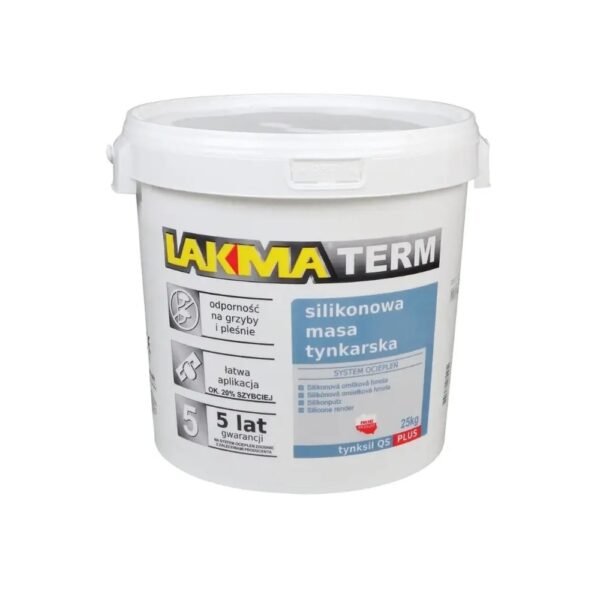
Lakma Tynksil QS Silicone Render 25kg
Price range: £55.00 through £60.00 ex. VAT This product has multiple variants. The options may be chosen on the product pageWhat Is Silicone Render?
Silicone render is a polymer-modified decorative topcoat that uses silicone resin as its binder. Applied as the final layer over a reinforced basecoat, it forms a flexible, coloured surface that repels rain while letting the wall breathe. Unlike traditional sand and cement, silicone renders come ready mixed in a tub, are applied at around 1.5mm to 3mm, and never need painting because the colour runs through the whole product.How Silicone Render Works (Hydrophobic & Breathable)
As the render cures, silicone molecules migrate to the surface and create a microscopic hydrophobic layer. Rainwater beads and rolls off instead of soaking in, while water vapour from inside the building can still escape through the coating. This "repel water, release vapour" behaviour is what makes silicone render so well suited to insulated facades and older, solid-wall properties prone to damp.What Is Silicone Render Made Of?
The core ingredients are silicone resin binders, mineral fillers, UV-stable pigments and additives that improve flexibility, adhesion and resistance to algae and fungi. Some products are hybrids, such as silicone-silicate renders, which combine silicone water repellency with silicate breathability for highly exposed elevations.Benefits of Silicone Render
Silicone renders offer the best all-round performance of any thin coat finish, which is why they are the go-to choice for most modern external wall insulation systems.Water Repellent & Weatherproof
The hydrophobic surface sheds driving rain and resists staining, keeping walls drier and cleaner in the demanding UK climate.Breathable Finish
Silicone render is vapour open, so moisture inside the wall can evaporate instead of becoming trapped. This reduces the risk of damp, blown plaster and frost damage.Crack Resistant & Flexible
The silicone binder stays flexible and moves with minor substrate movement from thermal expansion or settlement, greatly reducing hairline cracking compared with rigid cement render.Colour Durability & Self-Cleaning
Through-coloured and UV resistant, silicone render holds its colour for years without repainting. Its low dirt pickup surface is helped clean by rainfall, keeping facades looking fresh for longer.Low Maintenance & Long Lifespan
A well-applied silicone render can last around 25 to 30 years with very little upkeep, making it a strong long-term investment for any property.Silicone Render vs Other Render Types
Choosing the right topcoat depends on budget, exposure and substrate. Here is how silicone render compares with the main alternatives we stock.Silicone vs Acrylic Render
Acrylic render is a cost-effective synthetic finish with an excellent colour range, but it is less breathable than silicone. Silicone is the better choice for breathable systems and damp-prone walls, while acrylic can be ideal where value and vivid colour matter most.Silicone vs Cement Render
Traditional sand and cement is cheaper but rigid, prone to cracking and usually needs painting. Silicone render is lighter, flexible, self-coloured and far lower maintenance.Silicone vs Monocouche Render
Monocouche is a thick, one-coat through-coloured render with a scratched finish, applied at around 15mm to 18mm. Silicone is a thin coat (1.5mm to 3mm) with a noticeably smoother finish, and is the only option compatible with external wall insulation.Comparison Table
| Feature | Silicone Render | Acrylic Render | Cement Render | Monocouche |
|---|---|---|---|---|
| Breathability | High | Medium | Medium | High |
| Water repellency | Very high | High | Low | Medium |
| Crack resistance | Very high | High | Low | Medium |
| Coat thickness | 1.5-3mm | 1.5-3mm | 10mm+ | 15-18mm |
| Needs painting | No | No | Usually | No |
| EWI compatible | Yes | Yes | No | No |
| Typical lifespan | 25-30 yrs | 15-25 yrs | Varies | 20-30 yrs |
Silicone Render Systems & Applications
Silicone render is designed to work as the finishing coat within a wider render system, whether over insulation or directly onto a prepared wall.Render-Only Systems
On sound existing surfaces the build-up is basecoat with mesh, primer, then silicone topcoat. This is ideal for refreshing tired brickwork or old, stable render.Silicone Render for External Wall Insulation (EWI)
For a full external wall insulation system the typical build-up is adhesive, insulation board, basecoat with reinforcement mesh, primer, then the silicone finish. Silicone is the preferred topcoat because it protects the insulation while keeping the whole system breathable.Suitable Substrates & Property Types
Silicone render suits brick, block, concrete, sound existing render and EWI systems on homes, flats and commercial buildings. Correct primer and basecoat selection is key on each substrate, so check the product data sheet or ask our team.Colours, Textures & Finishes
Every silicone render in our range is available in a wide palette of through colours, so the finish never needs painting.Grain Sizes (1mm, 1.5mm, 2mm)
Grain size sets the texture. A 1.0mm to 1.5mm grain gives a fine, smooth thin-coat look, while 2.0mm and above create a coarser rubbed texture. Larger grains also suit machine and spray application, and pair well with our spray renders.Colour Options
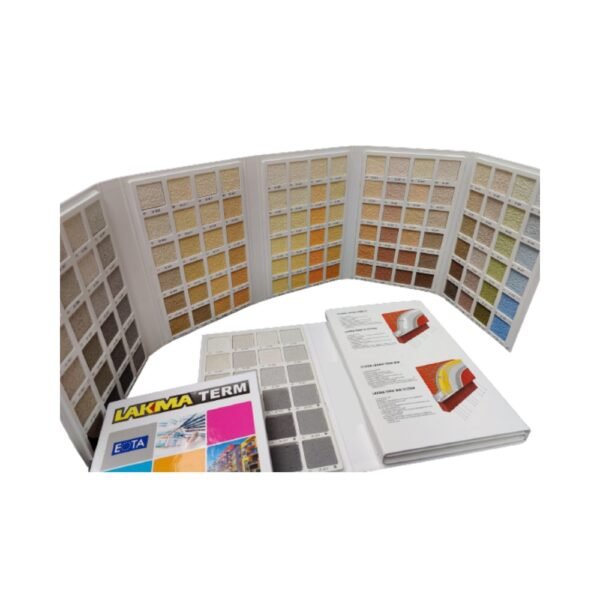
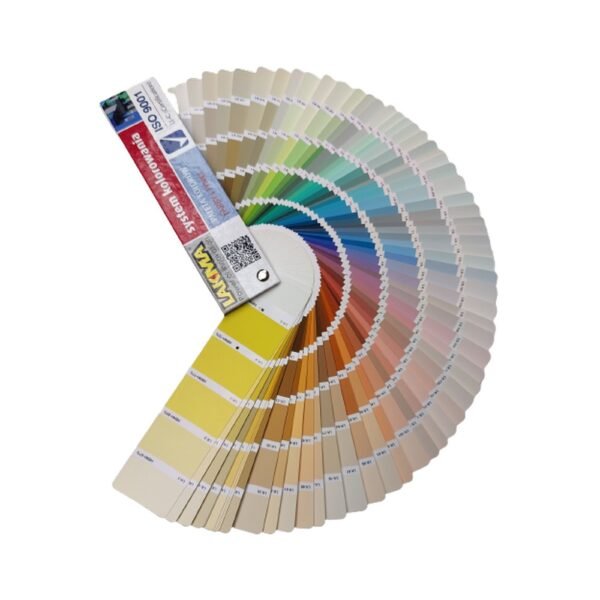
Pick your shade from our colour chart, or order physical samples and colour charts before you buy to check the colour against adjacent materials.How Silicone Render Is Applied
Silicone render is a professional thin coat product. Below is the typical process, but always follow the manufacturer's data sheet.Base Coat & Reinforcing Mesh
Apply a reinforced basecoat with fibreglass mesh embedded into it to create a strong, crack-resistant bed for the topcoat.
Primer & Silicone Topcoat
Once the basecoat has cured, apply a coloured render primer to aid adhesion and coverage, then trowel or spray on the silicone render and rub up the texture with a plastic float. Use the right rendering tools for a consistent, join-free finish.
Weather & Application Conditions
Apply in dry conditions, ideally between 5C and 25C, and avoid rain, strong direct sun or frost until the render is fully cured. Work wall-to-wall in a single pass to prevent visible joins.
Silicone Render Cost
As a guide, trade silicone render typically costs from around £55 to £65 ex VAT per 25kg tub, with coverage depending on grain size. It generally costs more per tub than acrylic or cement, but its longer lifespan and low maintenance make it very cost-effective over time.Price per m2
A 25kg tub usually covers around 8 to 12 m2, depending on grain size and surface. Use our EWI calculator to estimate exactly how much render and material you need for your project.What Affects the Price
Price varies with brand, grain size, colour (deep and bespoke shades can cost more) and whether you buy the render on its own or as part of a full system. Buy in bulk to unlock trade pricing.Maintenance & Aftercare
Silicone render needs very little maintenance. Rain keeps most surfaces clean, and occasional low-pressure washing removes any build-up in shaded or heavily exposed spots. Years later, a breathable silicone paint can refresh the colour without compromising the system.Our Silicone Render Range
Browse trade-quality silicone renders from trusted brands, ready mixed and available in multiple colours and grain sizes, such as the popular Lakma Tynksil QS Silicone Render 25kg. Not sure which finish is right for your job? Compare your options in our guide to choosing the right render for external wall insulation, or explore the K Rend range.Frequently Asked Questions
Does silicone render crack?
Silicone render is highly crack resistant. Its flexible silicone binder moves with the building, so it resists the hairline cracking common with rigid cement render. Correct basecoat and mesh installation further reduces the risk.How long does silicone render last?
A properly applied silicone render typically lasts around 25 to 30 years, and often longer, depending on exposure, substrate and the quality of application.Can you paint over silicone render?
Yes. You can refresh silicone render with a compatible breathable silicone paint. Because the render is already through-coloured, repainting is usually a choice rather than a necessity.Is silicone render breathable?
Yes, silicone render is fully vapour open. It lets moisture escape from the wall while still repelling rain, which helps prevent damp in solid-wall and insulated properties.Order Silicone Render
Buy silicone render online with fast UK delivery, or collect from our Wembley store. For trade pricing, bulk orders or advice on the right system for your walls, contact our team.
Contact our team