No products in the cart.



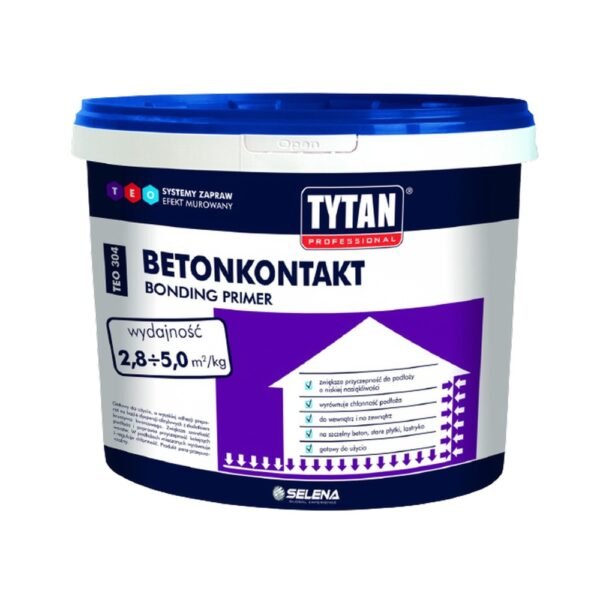
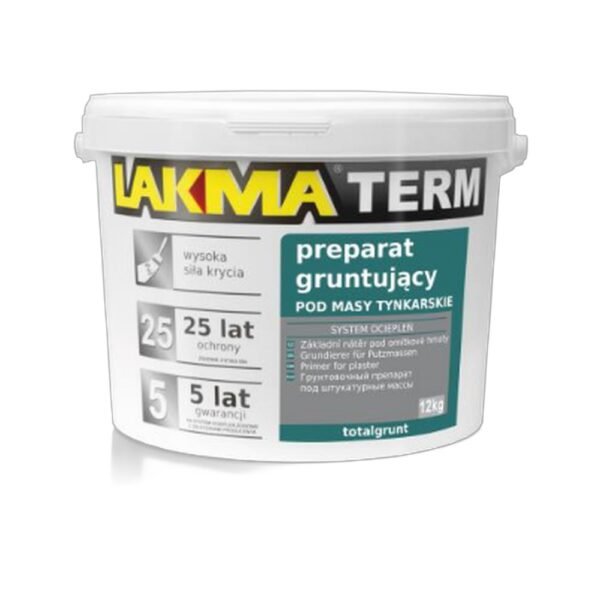
Lakma Totalgrunt Render Primer 12kg
Price range: £30.00 through £35.00 ex. VAT This product has multiple variants. The options may be chosen on the product page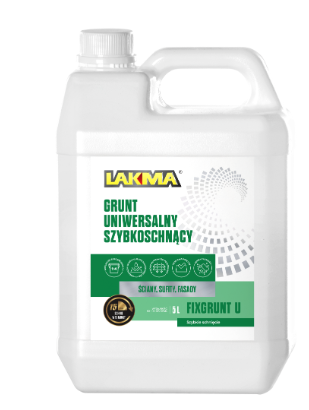
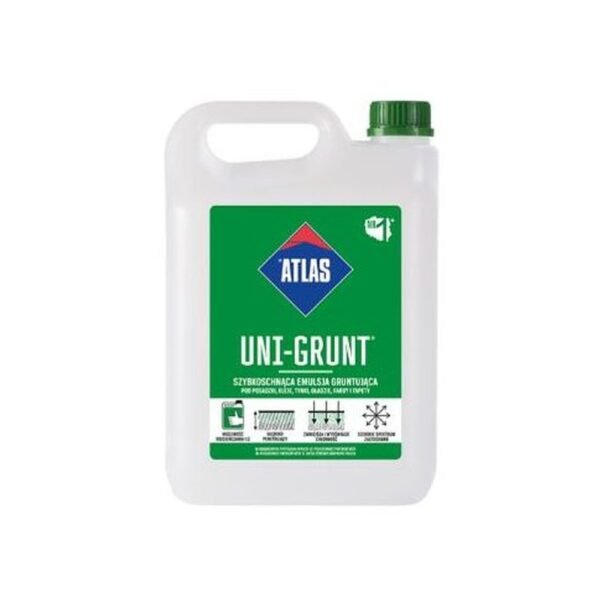
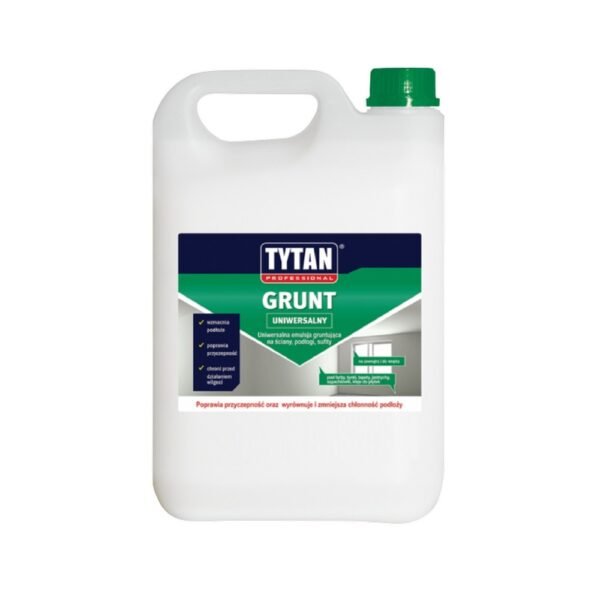
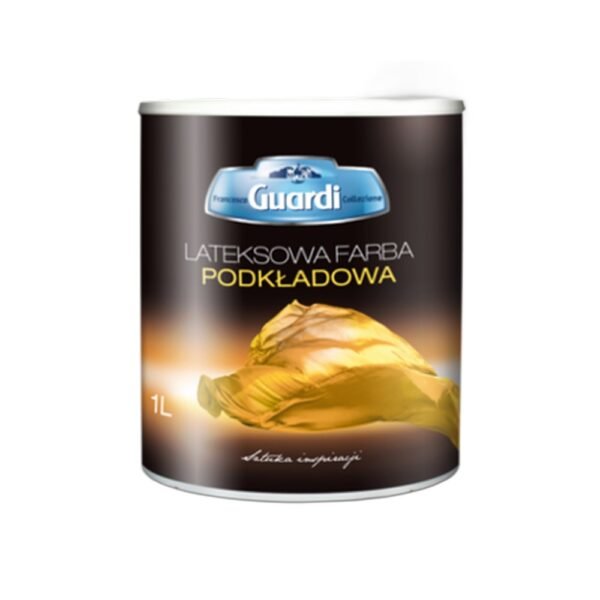
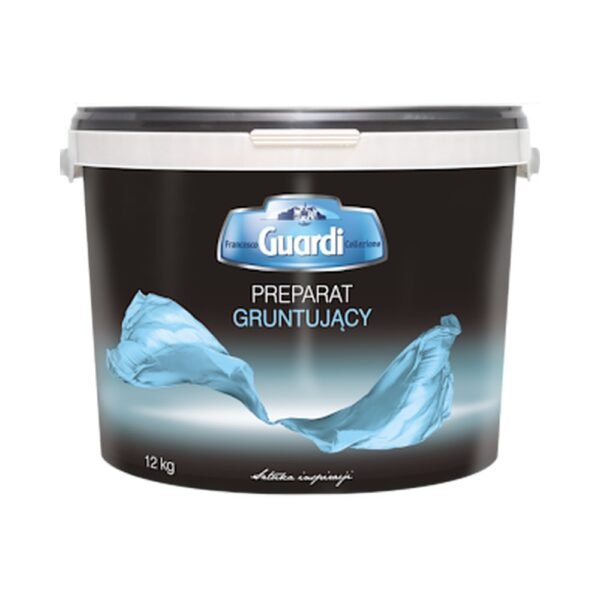
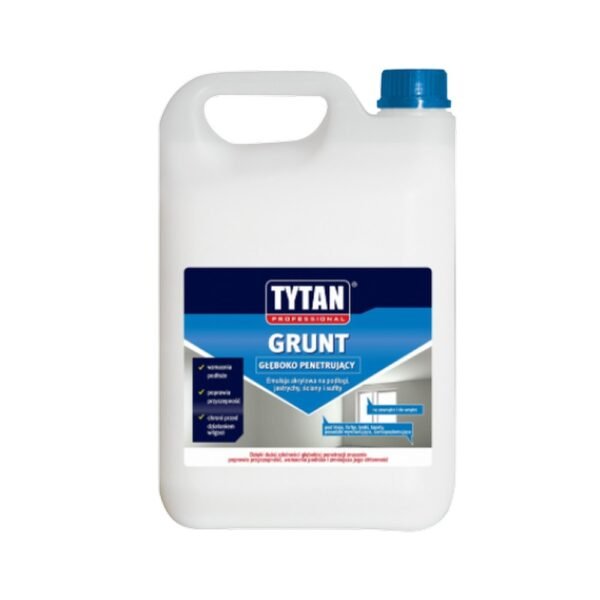
A render primer is the thin preparatory coat applied between the reinforced render basecoat and the finish render. It seals and evens out the absorption of the surface, improves adhesion and helps the thin-coat render cure to a consistent colour and texture. At Penguin BM you'll find primers for silicone, silicate, acrylic and mineral renders, ready for delivery across London and the Home Counties or collection from our Amersham trade counter.
The primer is the cheapest layer in an external wall insulation system, yet it has a big effect on how the finished facade looks. Skip it or pick the wrong one, and even the best render can dry patchy, streaky or with the basecoat showing through.
Why use a primer before rendering?
Skipping the primer is one of the most common causes of patchy, blotchy render. A good render primer:
- Evens out suction - the render doesn't dry faster in some areas than others, so the finish stays uniform.
- Improves adhesion - a fine textured primer gives the render a key to grip onto.
- Makes application easier - the render stays workable for longer, so it is easier to float and texture.
- Hides the basecoat - a tinted primer close to the render colour stops grey basecoat showing through, which matters most with darker or stronger colours.
- Protects the system - it forms part of the tested system build-up, so using the right primer helps you follow the manufacturer's guidance.
Choosing the right render primer
The primer should match the type of finish render. Using a primer from the same system as your render is the safest way to ensure compatibility.
| Primer type | Use under | Key points |
|---|---|---|
| Silicone primer | Silicone renders | Water-repellent and vapour-open, the most popular choice for modern EWI finishes. |
| Silicate primer | Silicate renders | Highly breathable, suited to mineral wool systems. |
| Acrylic primer | Acrylic renders | Good adhesion and flexibility, typically used on EPS systems. |
| Universal primer | Several render types (check data sheet) | Handy when using renders from one system with different binders. |
Silicone render primer
Silicone render is the most popular finish on modern EWI projects in the UK thanks to its water repellency, self-cleaning surface and wide colour range. It needs a matching silicone primer to perform as intended. The primer keeps the surface breathable, so moisture can escape from the wall while rain is kept out. For a full overview of textures, grain sizes and colours, see our silicone render guide.
Tinted or white primer?
For white and light pastel renders, a standard white primer is usually enough. For mid-tones, darker colours and strong shades, order the primer tinted close to the render colour. It hides the grey basecoat, reduces the risk of the substrate showing through in thin spots and gives a more even final colour. Pick your shade from our colour chart and we can match the primer to it.
How to apply render primer
1. Check the base
The basecoat must be fully cured, clean, dry and free from dust. Fiberglass mesh should not be visible anywhere.
2. Mix and apply
Stir thoroughly and apply one even coat with a roller or wide brush, working elevation by elevation.
3. Let it dry
Leave it to dry as per the data sheet (usually overnight) before applying the finish render.
Apply primer in dry weather, typically between +5°C and +25°C, and keep it away from rain until it has dried. Work in full elevations rather than patches, so there are no visible joins under the finish.
Common primer mistakes to avoid
- Wrong primer for the render - an acrylic primer under silicate render, for example, can reduce breathability and adhesion.
- Priming uncured basecoat - moisture trapped under the primer can cause patchy colour and bond problems.
- Thinning the primer too much - dilute only if the data sheet allows it, and only by the stated amount.
- Uneven coverage - missed patches show up as darker or lighter spots in the finished render.
- Leaving too long before rendering - a primed wall left for weeks gets dusty and dirty; render within the time given on the data sheet.
How much primer do I need?
Primer coverage is listed on each product page and varies by product and surface absorption. Allow a small margin for reveals and details. For a complete list of everything needed for your wall - boards, adhesive, basecoat, mesh, primer and render - use our free EWI calculator.
Not sure how much primer you need?
Enter your wall area and get quantities for the whole EWI system in a minute.
Use the EWI calculatorWhere the primer fits in the EWI system
A complete external wall insulation build-up goes: adhesive, insulation boards, render basecoat reinforced with fiberglass mesh, render primer and finally the thin-coat finish render. Each layer depends on the one below, so choosing products from one system gives the best long-term result. Adhesives and basecoats are in our EWI adhesive and basecoat category, and you can browse everything in our external wall insulation category.
Buying render primer from Penguin BM
- Collect in Amersham - pick up from our trade counter at 17 White Lion Road, Amersham, HP7 9HZ.
- Delivery to site - across London, Buckinghamshire, Hertfordshire, Berkshire and the wider Home Counties.
- Matched to your render - order primer and render together so the system and colour match.
- Trade and bulk orders - call us for pricing on larger quantities.
Costing a project? Our guides to external wall insulation cost in the UK and external wall insulation grants will help you plan the budget.
Render primer - FAQ
Do I really need a primer before silicone render?
Yes. Most thin-coat render manufacturers require a matching primer. Without it the render can dry unevenly, show patches and bond less reliably to the basecoat.
Can I use any primer under any render?
No. Match the primer to the render binder - silicone under silicone, silicate under silicate and so on - unless the data sheet approves a universal primer for your render.
Should the primer be tinted?
For white and light colours a standard primer is usually fine. For darker or stronger colours, a primer tinted close to the render colour stops the basecoat showing through.
How long does primer take to dry?
Usually overnight in normal conditions, but it depends on the product, temperature and humidity. Check the data sheet before applying render.
Can I use render primer on old render or masonry?
Some primers are also approved for sound existing render and mineral surfaces. The surface must be clean, stable and dry. Check the data sheet for approved substrates.
Is render primer the same as masonry paint primer?
No. Render primers usually contain fine grains that create a key for thin-coat render, and they are formulated to match a specific render system. A paint primer won't give the same adhesion.
Can I collect primer from your branch?
Yes. Collect from our trade counter at 17 White Lion Road, Amersham, HP7 9HZ, or order delivery across London, Buckinghamshire and the Home Counties.