
No products in the cart.
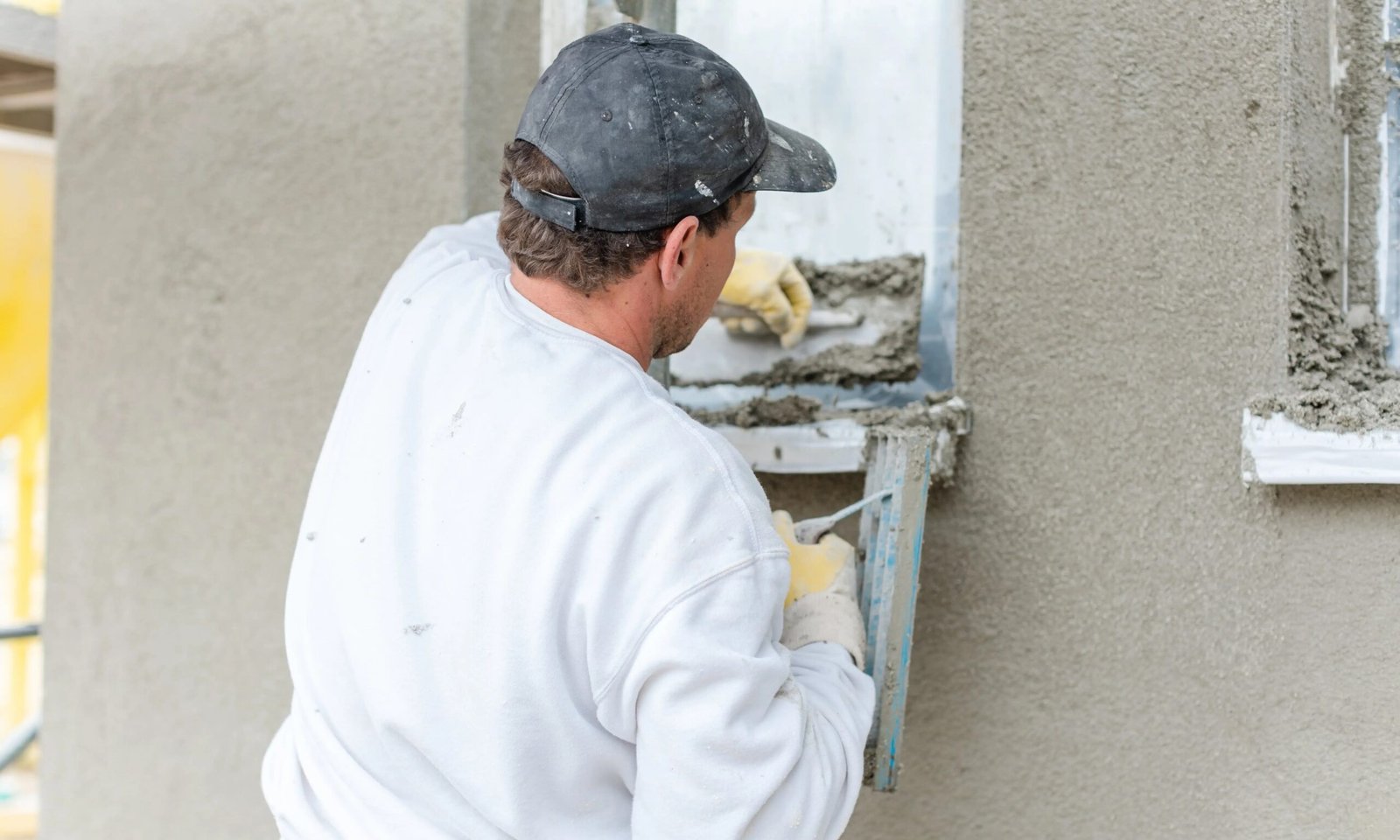
What is silicone render? Silicone render is a thin-coat, polymer-modified decorative render that is enhanced with silicone (siloxane) additives to make the surface water-repellent while still letting the wall breathe. It is applied in a thin layer, usually 1-3mm depending on the grain size, over a reinforced base coat and primer. Because the colour is mixed through the material, silicone render does not normally need painting once cured. It is the most common finish specified on modern external wall insulation systems in the UK, and it is equally at home on refurbished brick and block facades.
This guide explains what silicone render is, how it works, its pros and cons, typical UK costs, and how it is applied. For a wider comparison of render types and general plastering method, see our dedicated guide to render for external wall insulation.
What is silicone render made of and how is it specified?
Silicone render is a factory-made, ready-mixed or bagged thin-coat render. The binder system combines a cementitious or acrylic base with silicone resin, which is what gives the finished surface its water-repellent behaviour. It is supplied pre-coloured and pre-textured, so you choose the shade from a colour chart and the grain size before you order.
Grain size controls both the texture and the applied thickness. Common options are 1.0mm, 1.5mm and 2.0mm, applied at roughly the thickness of the largest aggregate and then rubbed up to a consistent texture. Silicone render is never used as a standalone coating on its own. It is the final decorative layer of a build-up that typically includes an adhesive or base coat, alkali-resistant reinforcement mesh, and a tinted primer matched to the top coat.
How does silicone render work?
The performance of silicone render comes down to two properties that usually pull against each other in other materials: it is water-repellent yet vapour-open.
Water-repellent
The silicone resin migrates to the surface and creates a hydrophobic effect, so rainwater beads and runs off rather than soaking into the render. This low water absorption keeps the facade drier, which reduces frost damage, staining and the algae and green growth you often see on older cement render.
Breathable
At the same time the coating stays highly vapour-permeable, so moisture vapour from inside the building or within the wall can still diffuse outward. That combination is why silicone is the preferred finish for insulated facades, where trapping moisture behind the render would be a real risk.
Flexible
Silicone render is also flexible. It tolerates the small movements and thermal cycling of an insulated wall far better than a rigid sand and cement mix, which is why it resists cracking over time.
Advantages and disadvantages of silicone render
No single render is right for every project. Here is an honest summary.
| Advantages | Disadvantages |
|---|---|
|
|
Silicone render and external wall insulation boards
Silicone render and external wall insulation are natural partners. On an EWI build, the render is not applied to the wall directly. It goes on top of an external wall insulation board that has been fixed with adhesive and mechanical fixings, then encapsulated in a base coat with embedded reinforcement mesh, primed, and finished with the silicone top coat.
Board choice affects the whole system. Expanded polystyrene (EPS) is the most common and cost-effective option, while mineral wool is chosen where fire performance is a priority because it is non-combustible (Euroclass A1 or A2). For most UK retrofits the boards sit somewhere between 50mm and 120mm thick, with an external wall insulation board 100mm option being a popular balance of thermal gain and wall build-out. Insulating a typical solid brick wall this way can move it from a U-value of around 2.0 W/m²K down towards 0.30 W/m²K or better, in line with Building Regulations Part L targets for upgraded walls.
Fire performance matters here. Under Approved Document B, external walls of buildings with a storey above 18m generally require materials achieving Euroclass A2-s1,d0 or better, which steers those projects towards mineral wool rather than combustible EPS. Domestic retrofit work funded through grant schemes should also follow PAS 2035 and PAS 2030, which govern how retrofit is assessed, designed and installed. Always confirm the whole system holds valid BBA (British Board of Agrément) certification, as mixing incompatible components can void warranties. Penguin BM supplies complete, certified systems so the base coat, mesh, primer and silicone render are all matched.
Ready to finish your facade? Order matched, certified silicone render systems from Penguin BM.
Shop nowHow much does silicone render cost in the UK?
Prices below reflect 2026 UK market rates. Material and labour costs change over time and vary by region, brand, wall condition and access, so treat these as typical ranges rather than fixed quotes.
| Option | Typical UK range |
|---|---|
| Silicone top coat, materials only | roughly £16-£35 per m², depending on brand and grain size |
| Full thin-coat render system, materials only (base coat, mesh, primer and silicone finish) | commonly £25-£45 per m² |
| Silicone render professionally installed (labour and materials, render only) | typically £65-£120 per m², with London and the South East at the higher end |
| Silicone render as part of a complete EWI system, installed | around £90-£150 per m² |
Extras usually sit outside those figures. Scaffolding often adds £800-£1,800 for an average house, and removing failed existing render can add £10-£30 per m². Because silicone is a premium finish, the material premium over sand and cement is real, but its longer life and lack of repainting often make it better value across 20 to 30 years.
If you want an accurate take-off, our EWI calculator estimates board, adhesive, mesh, primer and render quantities from your wall area.
How is silicone render applied?
This covers the silicone top coat only. For substrate preparation, board fixing and base coating, see our full guide to render for external wall insulation.
- Confirm the reinforced base coat is fully cured and the surface is sound, clean and dry.
- Apply a tinted primer matched to the render colour and let it dry. The primer improves adhesion and stops the base coat drawing moisture out of the render too quickly.
- Apply the silicone render with a clean stainless steel trowel, laid on to the thickness of the grain size in a continuous section to avoid visible joins.
- Rub up the surface with a plastic float in a consistent motion to develop the texture before the render skins over.
- Work wall by wall and protect the scaffold from rain and strong sun during application and curing. Keep within the temperature window on the datasheet.
Because a wet edge and consistent technique are essential to avoid patchy colour, silicone render is best applied by an experienced plasterer.
Silicone render products from Penguin BM
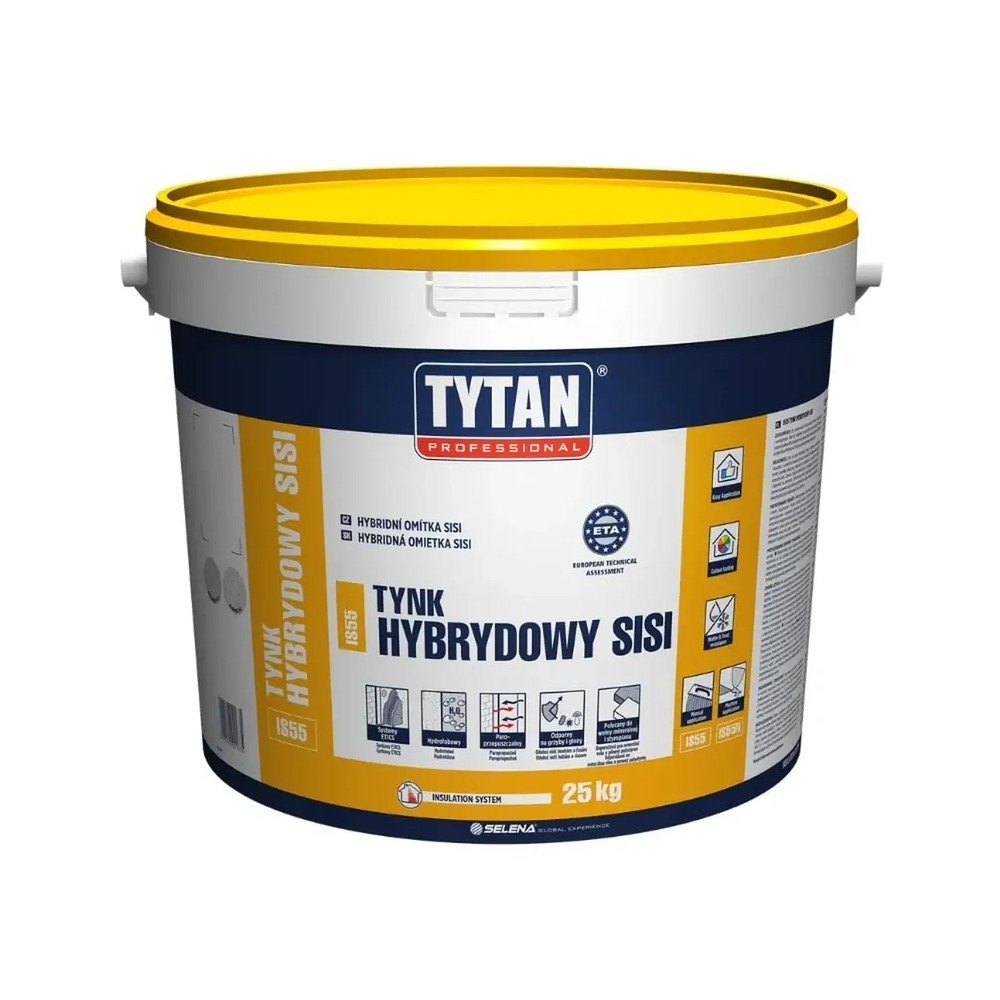
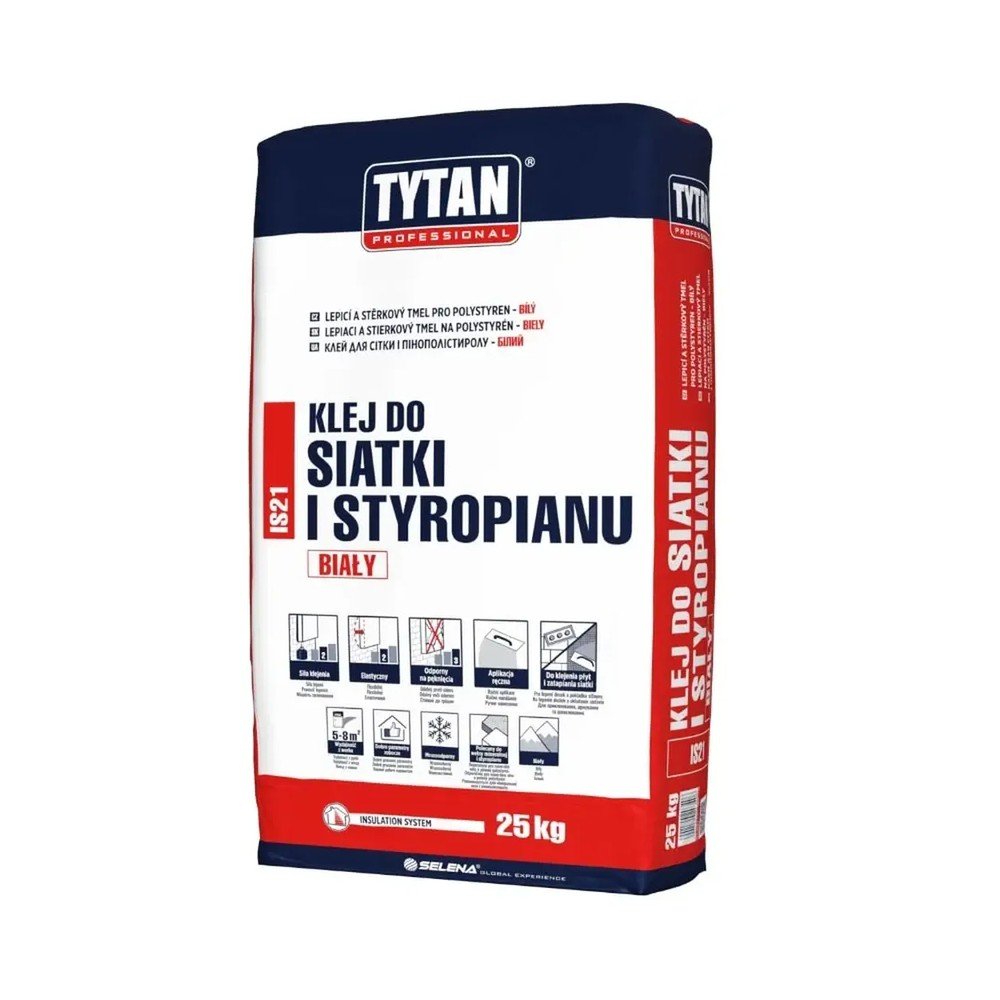
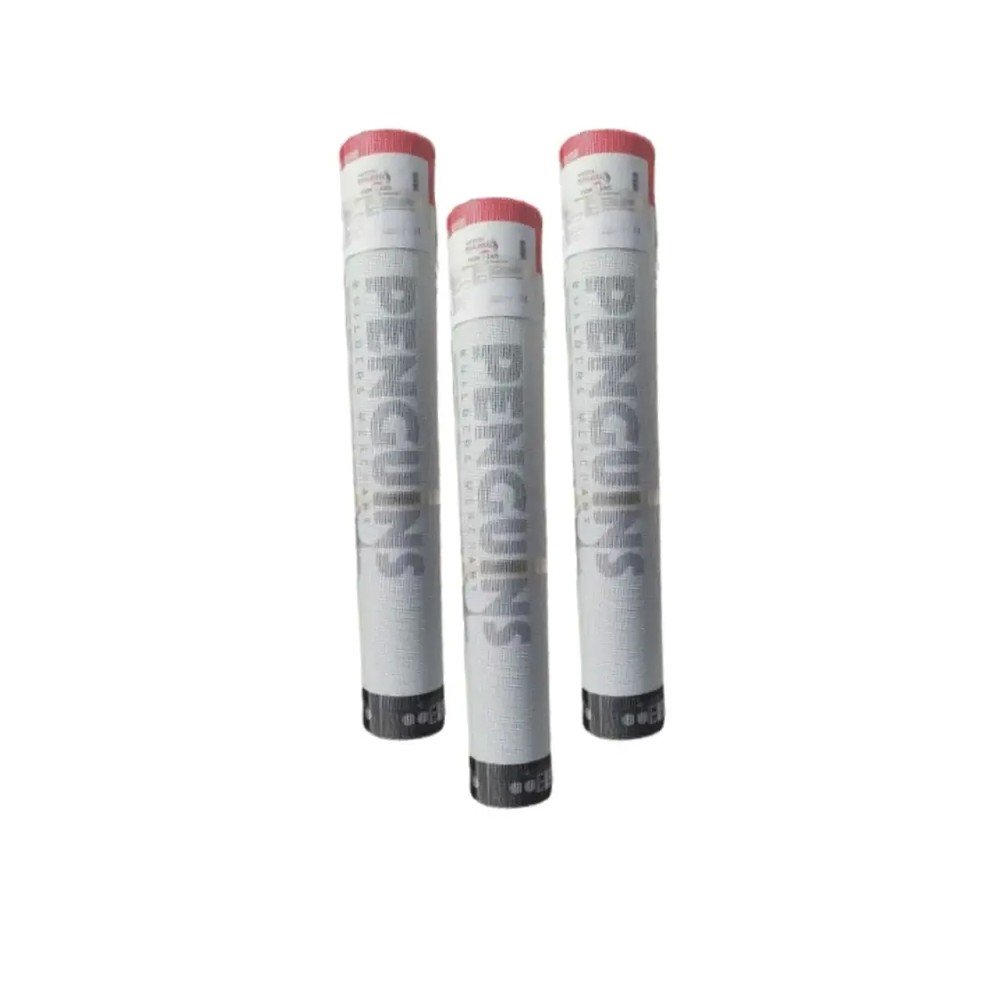
Frequently asked questions
Can I apply silicone render over a 100mm external wall insulation board?
Yes. An external wall insulation board 100mm thick is a standard substrate for silicone render, provided the board is fixed correctly and encapsulated in a base coat with reinforcement mesh, then primed. The render bonds to the primed base coat, not to the board itself.
What external wall insulation boards are available in the UK?
The main external wall insulation boards UK installers use are EPS, graphite-enhanced EPS and mineral wool, in thicknesses from around 50mm to 120mm. EPS is the budget-friendly, lightweight choice, graphite EPS improves thermal performance for the same thickness, and mineral wool is chosen for its non-combustible fire rating.
Do I need a base coat over the insulation board on an external wall?
Yes. On any insulation board external wall build-up, a reinforced base coat with embedded mesh is essential. It creates the flat, stable, crack-resistant layer that the primer and silicone render are applied to, and it is a core requirement of a certified EWI system.
Is silicone render breathable?
Yes. High vapour permeability is one of its defining features, which is why it is recommended for insulated and solid-wall properties where the wall needs to dry outward.
How long does silicone render last?
Correctly specified and applied as part of a compatible system, silicone render commonly lasts 25 years or more, helped by its water-repellent, self-cleaning surface.
A note on funding: grant schemes that can support insulated render, such as ECO4 and the Great British Insulation Scheme, change regularly and have eligibility rules that vary year to year. Check the current criteria before you budget.
Get a trade quote or collect in Wembley
Penguin BM supplies complete, certified silicone render and EWI systems for trade and homeowners across the UK. Contact us for a wholesale quote tailored to your project, or collect from our Wembley store at 416 Ealing Road, London HA0 1JQ. We also offer fast delivery across the UK, so you can have your base coat, mesh, primer and silicone render on site when you need them.


Related posts

External solid wall insulation can dramatically improve comfort, reduce heat loss and transform the look of older UK homes. This guide explains how it works,... Continue reading

Thinking about insulating your home’s exterior walls? While external wall insulation can dramatically cut your energy bills and boost comfort, poor installation can turn it... Continue reading