
Cavity wall insulation – complete guide
What is cavity wall insulation?
Cavity wall insulation is a method of improving the thermal efficiency of buildings constructed with cavity walls – two layers of masonry (an inner and an outer wall) separated by a small air gap. This gap, known as the cavity, can allow heat to escape easily if left uninsulated. By filling the cavity with an insulating material such as mineral wool, polystyrene beads, or foam, homeowners can significantly reduce heat loss, lower energy bills, and improve indoor comfort throughout the year.
Cavity wall insulation is one of the most effective and affordable ways to increase a property’s energy performance, especially in older homes built before the 1990s.
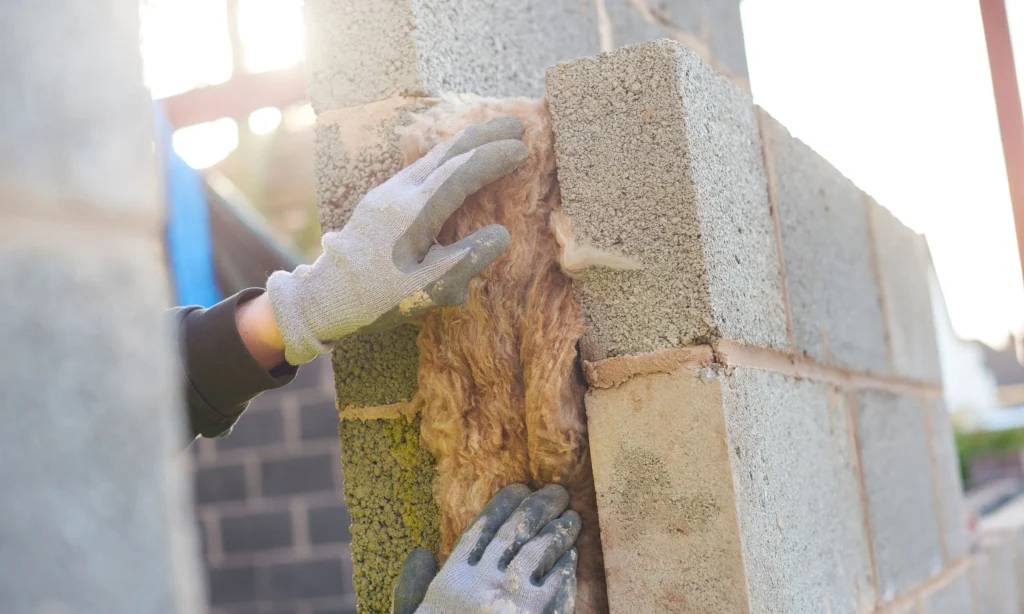
- Mineral wool (glass or rock wool) – excellent thermal and acoustic properties
- Polystyrene beads or granules – lightweight and moisture-resistant
- Urea formaldehyde foam – used mainly in older installations
How does cavity wall insulation work?
The insulating material is injected or blown into the wall cavity, creating a thermal barrier that slows down the movement of heat. This prevents warm air from escaping during winter and keeps heat out during summer months.
Over time, this leads to reduced energy consumption, lower carbon emissions, and improved living comfort.
Benefits of cavity wall insulation
| Benefit | Description |
|---|---|
|
Reduced energy bills |
Less heat escapes, meaning your heating system runs more efficiently and consumes less energy. |
|
Improved comfort |
Maintains stable indoor temperatures all year round. |
|
Environmental impact |
Lower energy consumption helps reduce CO₂ emissions. |
|
Increased property value |
Homes with insulation have higher EPC ratings, making them more attractive to buyers. |
|
Noise reduction |
Certain insulation materials also absorb sound, reducing external noise. |
Cavity wall insulation cost
| Property type | Average cost (approx.) |
|---|---|
|
Apartment / flat |
£500 – £800 |
|
Semi-detached house |
£900 – £1,200 |
|
Detached house |
£1,200 – £2,000 |
The UK government and local councils occasionally offer cavity wall insulation grants as part of national energy efficiency schemes.
These grants are typically aimed at:
- Low-income households
- Pensioners or those receiving certain benefits
- Homeowners looking to reduce their carbon footprint
Some of the schemes to look out for include the ECO4 scheme (Energy Company Obligation) and regional sustainability programmes.
It’s always worth checking the latest updates on the UK government’s website or contacting an approved installer to see if you qualify for funding.
Common cavity wall insulation problems
- Moisture penetration: in properties with damaged brickwork or exposure to driving rain, insulation may trap moisture.
- Cold bridging: if parts of the wall remain uninsulated, heat can still escape through these sections.
- Material degradation: over time, some insulation materials can settle or deteriorate, reducing efficiency.
- Condensation or damp issues: improperly installed insulation may affect ventilation and lead to damp patches inside walls.
Before installing, a qualified surveyor should always assess whether your property is suitable for cavity wall insulation.
Cavity wall insulation removal
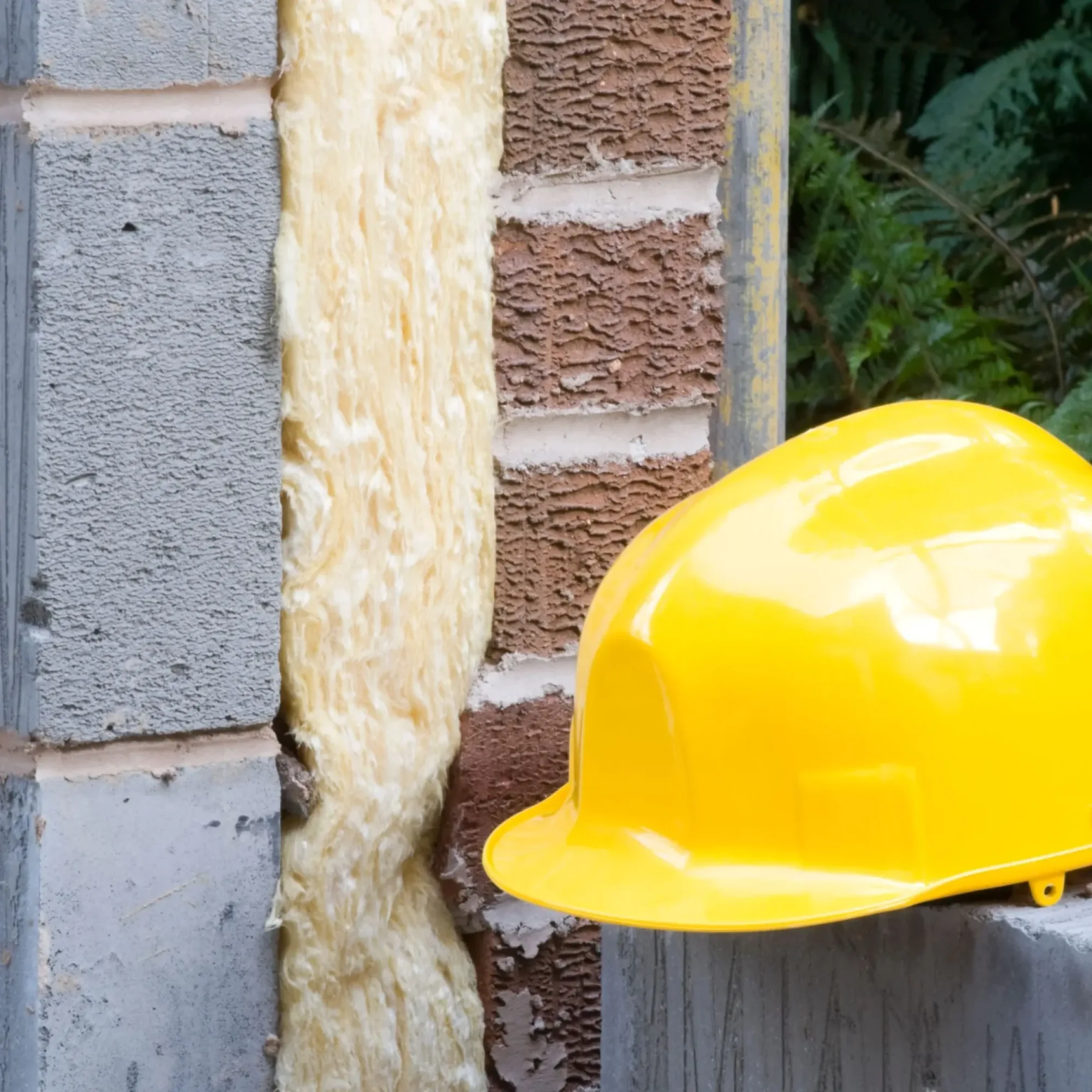
In cases where insulation has been incorrectly installed or caused damp problems, cavity wall insulation removal may be necessary.
The process involves extracting the insulation material from the cavity using specialised vacuum systems. This is usually done when:
- The insulation material has degraded
- Damp or mould has developed inside the property
- The house is located in an exposed or coastal area
After removal, the cavity can be refilled with a more suitable insulation type if appropriate.
Cavity wall insulation issues to watch for
- Damp spots appearing on interior walls
- Musty smells or mould growth
- Increased heating bills without a clear reason
- Cold patches in certain rooms
Is cavity wall insulation right for your home?
- Homes built after 1920 with unfilled cavity walls
- Properties in areas with low rainfall or good external wall condition
- Buildings with accessible wall cavities at least 50mm wide
If your home is older or solid-walled, external wall insulation (EWI) or internal wall insulation (IWI) may be a more effective option.
You can learn more about these systems in our external wall insulation section on our website.
Penguin BM – your insulation experts in London
At Penguin BM, based in Amersham and serving London and the surrounding areas, we specialise in external wall insulation systems and offer expert advice on all types of wall insulation.
Although we primarily focus on EWI systems, we provide educational resources to help homeowners understand the differences between insulation methods, their costs, and long-term benefits.
You can also visit our online store to explore a range of professional products for external wall insulation, including adhesives, insulation boards, mesh, and finishing systems from trusted brands such as Lakma and Tytan.

Summary table – cavity wall insulation overview
| Aspect | Details |
|---|---|
|
Purpose |
To reduce heat loss through the gap between two masonry walls |
|
Common materials |
Mineral wool, polystyrene beads, foam |
|
Average cost |
£500–£2,000 depending on property size |
|
Potential problems |
Moisture, damp, cold bridging |
|
Removal |
Possible using specialised extraction systems |
|
Alternative solution |
External wall insulation (EWI) |
|
Ideal for |
Post-1920s cavity wall homes |