No products in the cart.



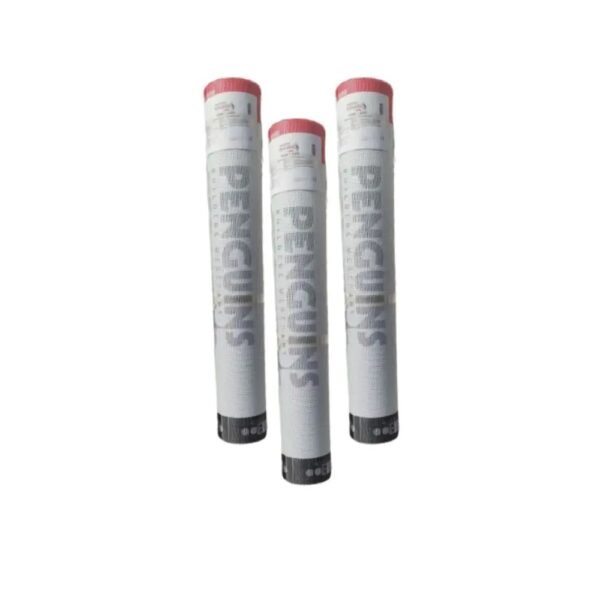
Penguins Fibreglass Reinforcement Mesh 165g/m2 – 1.1m x 55m
Original price was: £49.99.£45.00Current price is: £45.00. ex. VATFibreglass mesh is the reinforcing layer that holds a render or external wall insulation system together and stops it cracking. At Penguin BM we supply trade-quality fibreglass render mesh for EWI and rendering projects, in stock for fast UK delivery or collection from our Amersham trade counter. Choose the right weight for your build-up below, or speak to our team about bulk trade pricing.
On vulnerable zones such as ground-floor elevations you can either specify a heavy armour mesh or double-layer a standard mesh for the same effect. Always follow the system manufacturer's specification.
What Is Fibreglass Mesh?
Fibreglass mesh, also called render mesh, reinforcement mesh or scrim, is an open woven grid of glass fibre coated to survive inside a cement basecoat. It is embedded into the reinforcing coat of a render or EWI system, where it spreads stress across the surface and creates a strong, crack-resistant bed for the decorative topcoat. Without it, thermal movement, impact and shrinkage would quickly telegraph cracks through the finish.Why the Alkali-Resistant Coating Matters
The basecoats and adhesives used in rendering are cement based and highly alkaline. Bare glass fibre loses strength in that environment over time, so a purpose-made render mesh carries an alkali-resistant coating that protects the fibres and keeps the mesh at full tensile strength for the life of the facade. This is why you should always use a proper render mesh rather than a general fibreglass cloth or jointing tape.What Fibreglass Mesh Is Used For
- EWI reinforcement: embedded into the basecoat over insulation boards to lock the system together and resist cracking. See our external wall insulation systems.
- Render reinforcement: worked into the reinforcing coat on direct-to-wall rendering to give the topcoat a stable, crack-free base.
- Fibreglass mesh for plastering: reinforcing plaster and render across joints, over dissimilar materials and on areas prone to cracking.
- Corner and detail work: diagonal reinforcing patches at window and door corners, where movement cracks usually start.
Fibreglass Mesh Weights and Grades
The weight of the mesh, measured in grams per square metre, tells you how much reinforcement it provides. Heavier mesh gives more impact and crack resistance.| Weight (g/m²) | Type | Best for |
|---|---|---|
| 145-160 g | Standard render mesh | General render and EWI reinforcement on walls above ground-floor impact zones |
| 165 g | Standard system mesh | The common all-round choice for EWI on EPS and mineral wool. Our Tytan IS165 and Penguins 165g rolls sit here |
| 300 g+ | Armour / heavy mesh | Ground floor, entrances and high-traffic areas that need extra impact resistance |
How to Install Fibreglass Mesh
- Apply the first pass of basecoat over the insulation board or substrate.
- Press the mesh into the wet basecoat from the centre outwards, keeping it flat and free of wrinkles.
- Overlap adjacent lengths by around 100mm so there are no weak joints.
- Add diagonal reinforcing patches at the corners of all openings.
- Apply a second basecoat pass so the mesh sits in the outer third of the coat and is fully covered.