External wall insulation systems - complete guide to materials, layers and installation
External wall insulation systems are one of the most effective ways to improve a building’s energy efficiency, reduce heating costs, and upgrade façade aesthetics at the same time. But choosing the right system is not just about picking insulation boards – it’s about understanding how all components work together as a complete, compatible solution.
This guide explains everything you need to know: from system structure and materials to cladding options, compatibility, and real-world selection tips.
What are external wall insulation systems?
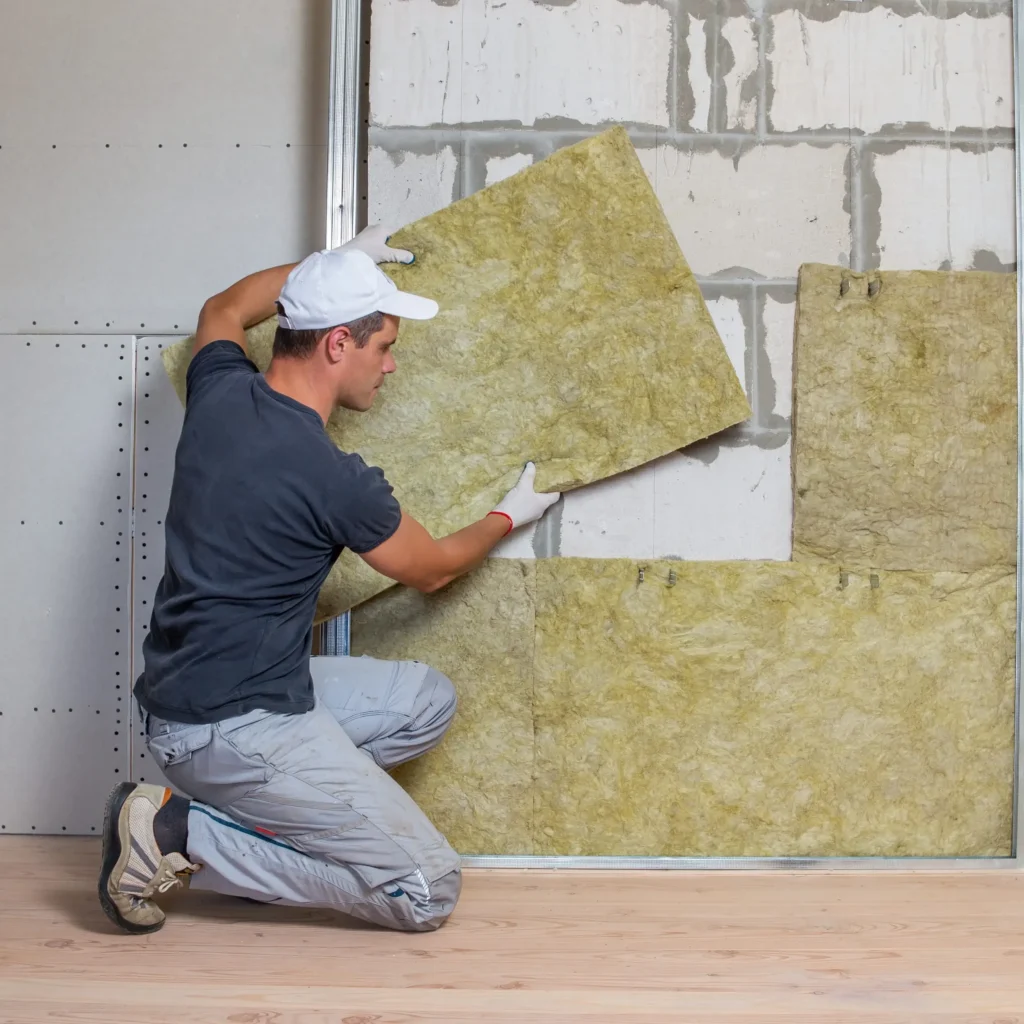
External wall insulation system (EWI systems) are multi-layered solutions applied to the exterior walls of a building to improve thermal performance and protect the structure.
Instead of insulating from the inside, EWI wraps the building envelope from the outside, eliminating thermal bridges and stabilizing indoor temperatures.
A typical system includes:
- Insulation boards (e.g. EPS, mineral wool)
- Adhesives and mechanical fixings
- Reinforcement layer (mesh + base coat)
- Finishing layer (render or cladding)
This layered approach ensures that all elements work together – structurally, thermally, and visually.
Why external insulation is more effective than internal solutions
From a technical and energy-efficiency perspective, external insulation offers clear advantages over internal insulation, especially when considering the long-term external wall insulation cost.
Structure of an external wall insulation system
Understanding the system layer-by-layer is crucial when selecting the right materials.
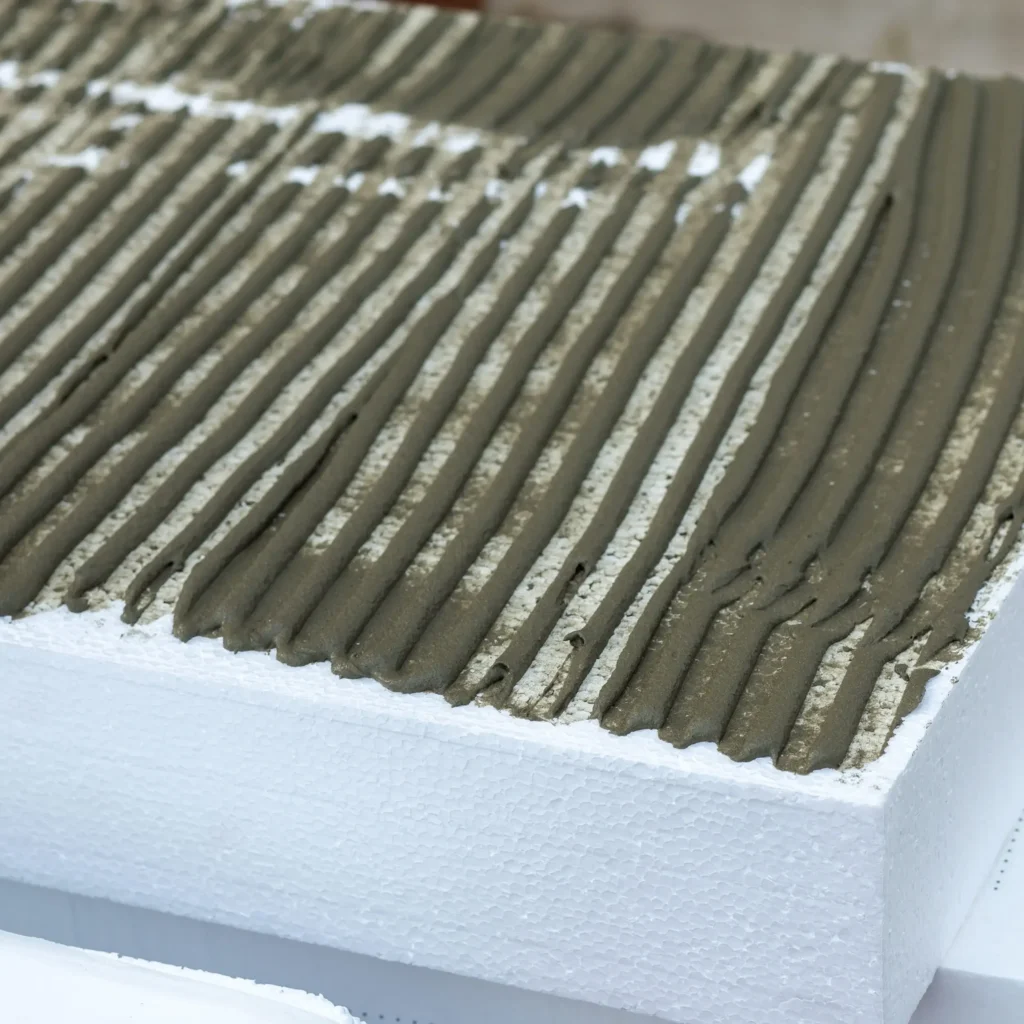
1. Adhesive layer
Used to bond insulation boards to the substrate. High-quality adhesive ensures durability and proper load distribution.
2. Insulation boards
The core of the system. The most commonly used external wall insulation materials include:
Key benefits::
- Eliminates thermal bridges (corners, slabs, joints)
- Maintains internal living space
- Protects structural walls from temperature fluctuations
- Improves airtightness of the building
- Extends building lifespan
In modern construction and renovation, external insulation cladding systems are considered the standard approach across Europe.
EPS (expanded polystyrene)
- Most popular solution
- Lightweight and cost-effective
- Good thermal insulation (lambda ~ 0.031-0.040)
- Easy to install
Mineral wool
- Higher fire resistance (non-combustible)
- Better acoustic performance
- Vapor permeable
PIR / Phenolic boards (less common)
- Very high insulation performance
- Used in premium or space-limited projects
Choosing the right board depends on:
- Budget
- Fire regulations
- Building type
- Moisture conditions
3. Mechanical fixings
Fixings secure the insulation boards mechanically to the wall. Two main approaches:
- Adhesive-only (for smaller, low-rise building)
- Adhesive + mechanical fixings (recommended standard)
Mechanical fixings:
- Improve wind resistance
- Ensure long-term stability
- Are required for most UK and EU regulations
4. Reinforcement layer
This layer consists of:
- Base coat (adhesive mortar)
- Fiberglass mesh
It’s role:
- Protect insulation from cracks
- Distribute stress across the façade
- Prepare surface for finishing
5. Finishing layer - render or cladding
This is where aesthetics and protection come together.
Render (thin-coat plaster)
- Silicone, acrylic or mineral
- Breathable and weather-resistant
- Available in many textures and colors
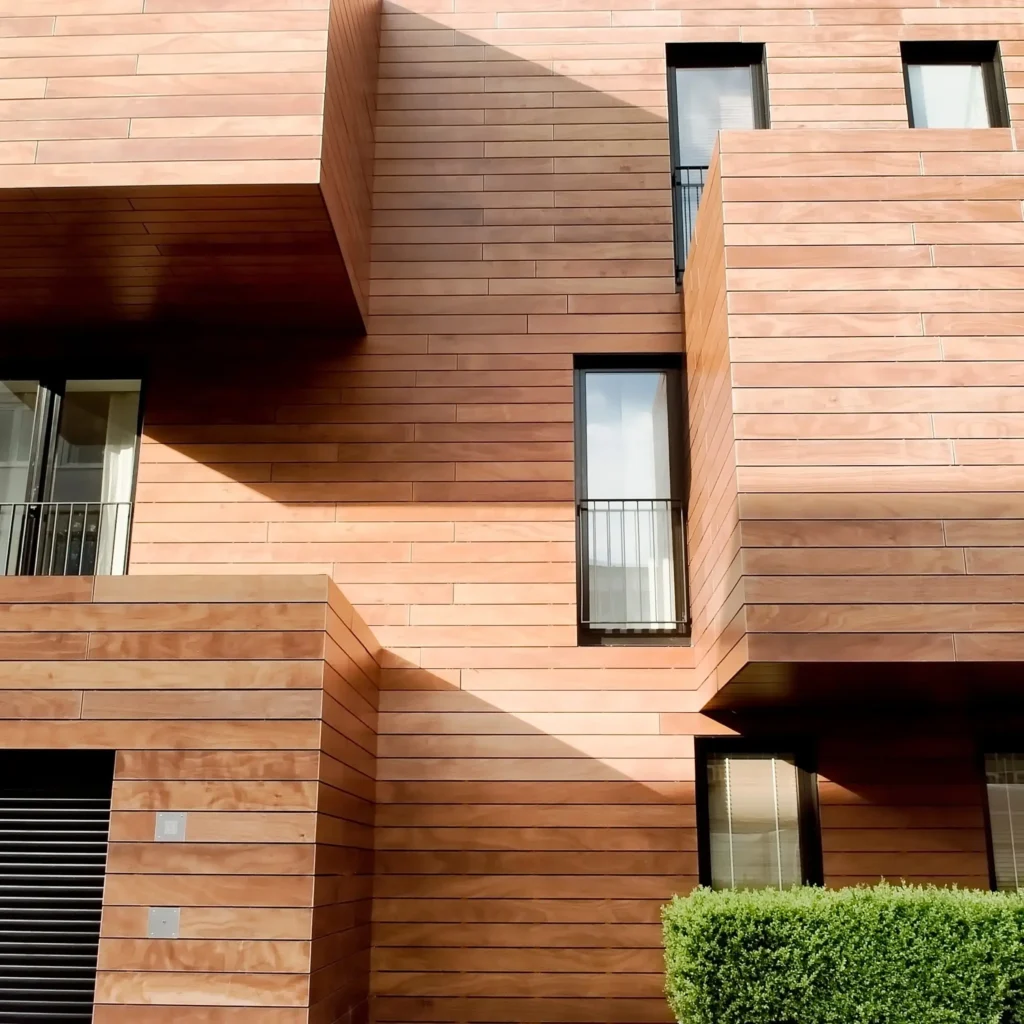
- External insulation cladding
Increasingly popular alternative:
- Composite panels
- Decorative boards
- Brick slips
External wall insulation cladding adds durability and design flexibility while maintaining insulation performance.
External wall insulation materials - how to choose the right ones
Selecting materials is not about choosing the “best” product individually – it’s about choosing a system where all components are compatible.
Key selection factors:
1. Compatibility
Always use system-certified components (same manufacturer or approved combination).
2. Building type
- Residential house → EPS is usually sufficient
- High-rise / public building → mineral wool often required
3. Climate conditions
- High humidity → breathable systems (mineral wool + silicone render)
- Strong winds → reinforced fixing and anchors
4. Budget vs performance
EPS often the best cost-to-performance ratio, while mineral wool provides higher fire safety and acoustic benefits.
External wall insulation cladding vs traditional render
Choosing between render nd cladding depends on both technical and visual goals.
Render:
- Lower cost
- Faster installation
- Clean, modern look
Insulation cladding:
- Higher durability
- Premium aesthetic (wood, stone, brick effect)
- Better mechanical resistance
In many modern projects, external wall insulation cladding is used to combine energy efficiency with architectural design.
Common mistakes when choosing an EWI system
Even high-quality materials won’t perform well if the system is poorly designed.
Avoid these mistakes:
- Mixing incompatible products from different manufacturers
- Using insufficient fixings (risk of detachment)
- Ignoring substrate preparation
- Choosing wrong insulation thickness
- Poor detailing around windows and edges
A system approach is always safer than product-based decisions.
System compatibility - why it matters
External wall insulation systems are tested and approved as complete solutions.
Using a full system ensures:
- Warranty protection
- Proven durability
- Compliance with building standards
Mixing random components may seem cheaper, but often leads to:
- Cracking
- Moisture issues
- Reduced lifespan
Practical tips from industry experience
After years of working with EWI systems, a few rules consistently apply:
- Always over-spec fixings in windy areas
- Don’t compromise on base coat quality
- Use mesh properly embedded (not on top)
- Plan façade details before installation starts
- Work with trusted brands and suppliers
These small details make a huge difference in long-term performance.
Frequently asked questions
What is the best insulation material for external walls?
How thick should external wall insulation be?
Can external insulation be installed on any building?
Is cladding better than render?
How long does an EWI system last?
Penguin BM
Phone: 075 1528 3453 Phone: 074 2438 1423 Phone: 020 8991 9590
Mon-Fri: 6:30AM - 5:00PM Sat: 6:30AM - 1:00PM Sun: Closed