External insulation board - Professional solutions for external wall insulation systems
Choosing the right external insulation board is one of the most critical decisions in any external wall insulation (EWI) project. Whether you’re a contractor, developer, or property owner, the board you select directly impacts thermal performance, durability, fire resistance, and the final finish of your façade.
In this category, you’ll find a curated range of external wall insulation boards, compatible with modern EWI systems and suitable for rendering applications. If you’re looking for a complete setup, explore our full range of external wall insulation products.
What is an external insulation board?
An external insulation board is a rigid panel fixed to the external surface of a building to improve thermal performance. It forms the core layer of an EWI system, reducing heat loss and improving energy efficiency.
These boards are typically finished with reinforcing mesh and render, creating a seamless and weather-resistant façade.
Key functions:
- thermal insulation (reduction of heat loss)
- substrate for rendering systems
- protection of structural walls
- improvement of energy efficiency ratings
- elimination of thermal bridges
In a complete external wall insulation system, the board works alongside adhesives, fixings, base coats, and finishing renders.
Types of external insulation boards
Selecting the right board depends on building type, budget, fire requirements, and finishing system. Below are the most commonly used wall insulation panels in external applications.
External insulation board for rendering - what matters?
Not every board is suitable for rendering. Choosing the wrong type can lead to cracks, poor adhesion, or system failure.
Key requirements for render compatibility:
- stable surface structure
- proper density and rigidity
- compatibility with adhesive and base coat
- resistance to deformation
Boards used under render must be part of a tested system. That’s why we always recommend selecting products that match certified EWI systems.
How to choose the right external insulation board
Choosing the correct board is not just about price – it’s about performance, compliance, and long-term durability.
1. Thermal performance (lambda value)
Lower lambda (λ) means better insulation.
- EPS standard: ~0.038
- Graphite EPS: ~0.031
- Mineral wool: ~0.035–0.040
If you’re optimizing energy performance, graphite EPS is often the best compromise.
2. Thickness of the board
Thickness determines the final U-value of the wall. Typical ranges:
- 100 mm – basic insulation
- 150–200 mm – modern standards
- 200+ mm – passive house
Use our EWI calculator to accurately determine the required thickness for your project.
3. Fire resistance requirements
- EPS – combustible (requires proper system design)
- Mineral wool – non-combustible (A1)
For multi-storey buildings, mineral wool is often mandatory.
4. Substrate and building type
Different substrates require different boards:
- brick and block – EPS or mineral wool
- timber frame – mineral wool preferred
- concrete – all systems possible
5. Budget vs performance
If cost is a key factor, EPS is the most economical option. If performance and compliance are priorities, consider graphite EPS or mineral wool.
For a full cost breakdown, check our guide on external wall insulation cost.
Installation considerations - what professionals focus on
Even the best external insulation board will fail if installed incorrectly.
Key installation rules:
- full-surface or perimeter-point adhesive application
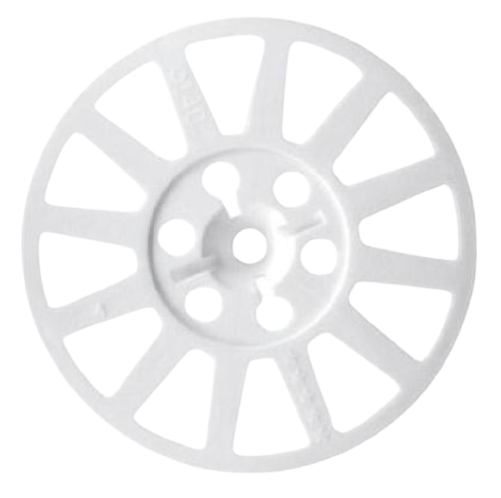
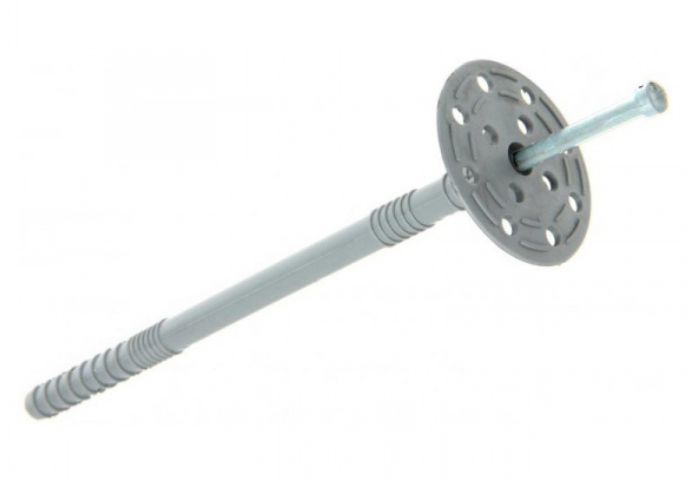
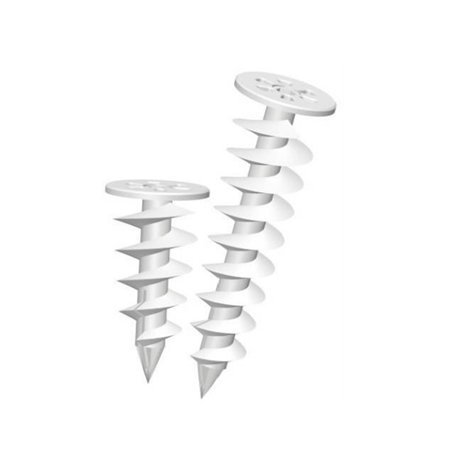
- mechanical fixings (anchors) according to system specs
- staggered board joints
- proper corner reinforcement
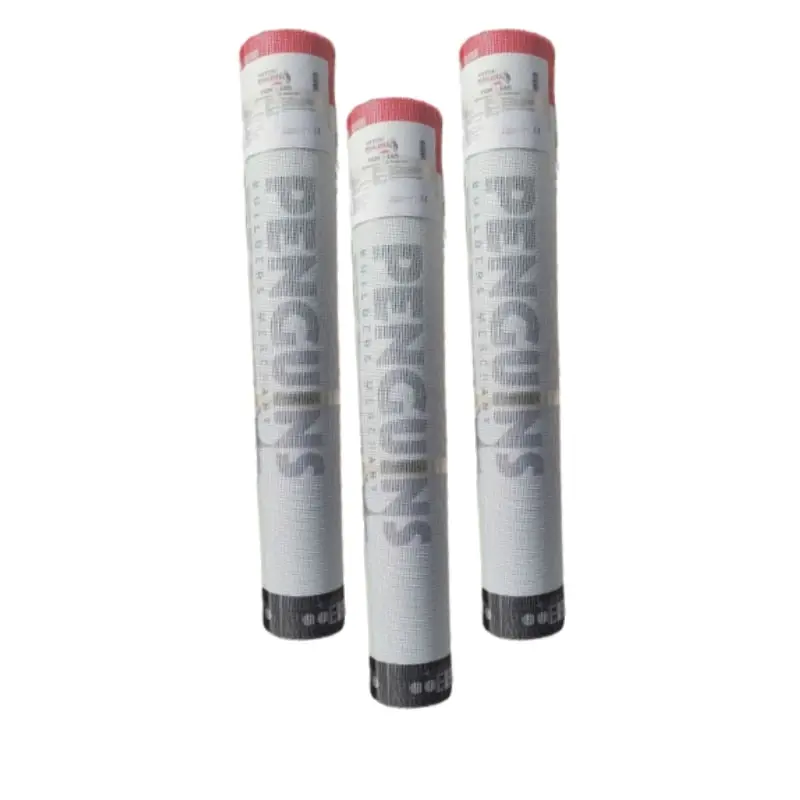
- mesh embedding in base coat
- correct curing times
Mistakes at this stage lead to:
- cracks in render
- thermal bridges
- detachment of boards
Common mistakes when choosing insulation boards
1. Choosing based on price only
Cheap boards often mean lower density and poor durability.
2. Mixing incompatible systems
Boards, adhesives, and renders must come from compatible systems.
3. Ignoring fire regulations
Especially critical in multi-storey buildings.
4. Incorrect thickness selection
Too thin = poor energy savings
Too thick = unnecessary cost
5. Poor storage on site
Boards exposed to sun or moisture can deform.
Best external insulation boards - what professionals recommend
If you’re unsure which option to choose, start with our guide to the best external wall insulation solutions.
Quick recommendations:
- budget projects → EPS boards
- energy-efficient homes → graphite EPS
- high-rise / fire-critical → mineral wool
- plinth / ground areas → XPS