
No products in the cart.
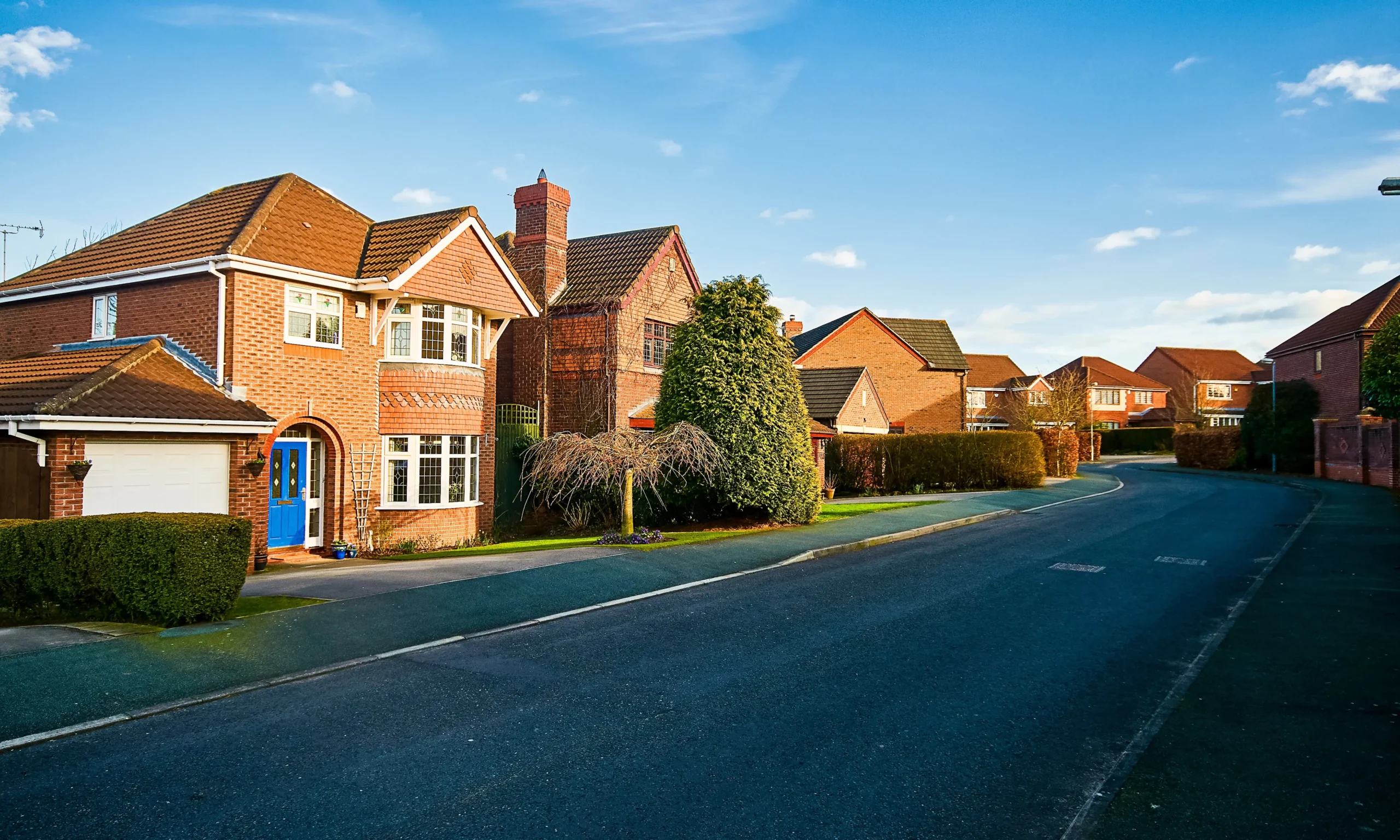
External solid wall insulation is a way of fixing a continuous layer of insulation and a protective render to the outside face of a solid-walled home, cutting heat loss without touching your internal space. It is one of the most effective upgrades for older UK properties, particularly the roughly 7 to 8 million homes built before 1919 that have solid brick or stone walls with no cavity to fill. This guide explains what the system is, which houses it suits, how much it typically costs, the U-value improvement you can expect, and exactly what a complete system includes.
If you already know you want to buy materials, you can jump straight to our external wall insulation systems. Otherwise, read on for the full picture.
What is external solid wall insulation?
A solid wall is built as a single solid mass, usually one brick thick, with no air gap between an inner and outer leaf. Because there is no cavity to inject with beads or foam, these walls have to be insulated either on the inside or the outside. External solid wall insulation takes the outside route: insulation boards are bonded and mechanically fixed to the existing masonry, then covered with a reinforced basecoat and a weatherproof decorative render or cladding.
The result is a continuous thermal blanket wrapped around the building. It reduces heat loss, cuts cold bridging at floor and wall junctions, and protects the original brickwork from wind and rain. Unlike internal insulation, it does not eat into your room sizes.
Which properties is it for?
Solid wall construction was standard in the UK until cavity walls became common in the 1920s. If your home was built before roughly 1919, there is a good chance it has solid walls. Stone-built houses and older brick terraces, semis and detached properties are all typical candidates.
How to check whether you have solid walls
A few quick checks usually give you the answer:
Wall thickness
Measure at a window or door reveal. A solid brick wall is usually around 225mm thick, while a cavity wall is typically 300mm or more.
Brick pattern
Solid walls often show alternating short and long brick ends (a Flemish or English bond). An unbroken run of long faces usually points to a cavity wall.
Age
Pre-1920s properties are very likely to be solid, and a professional survey will confirm the wall type before you commit to a system.
How the system works, layer by layer
The strength of external wall insulation comes from its layers, which are tested and approved to work together as one system. A complete build-up usually includes:
- Adhesive to bond the insulation boards to the wall and spread the load evenly.
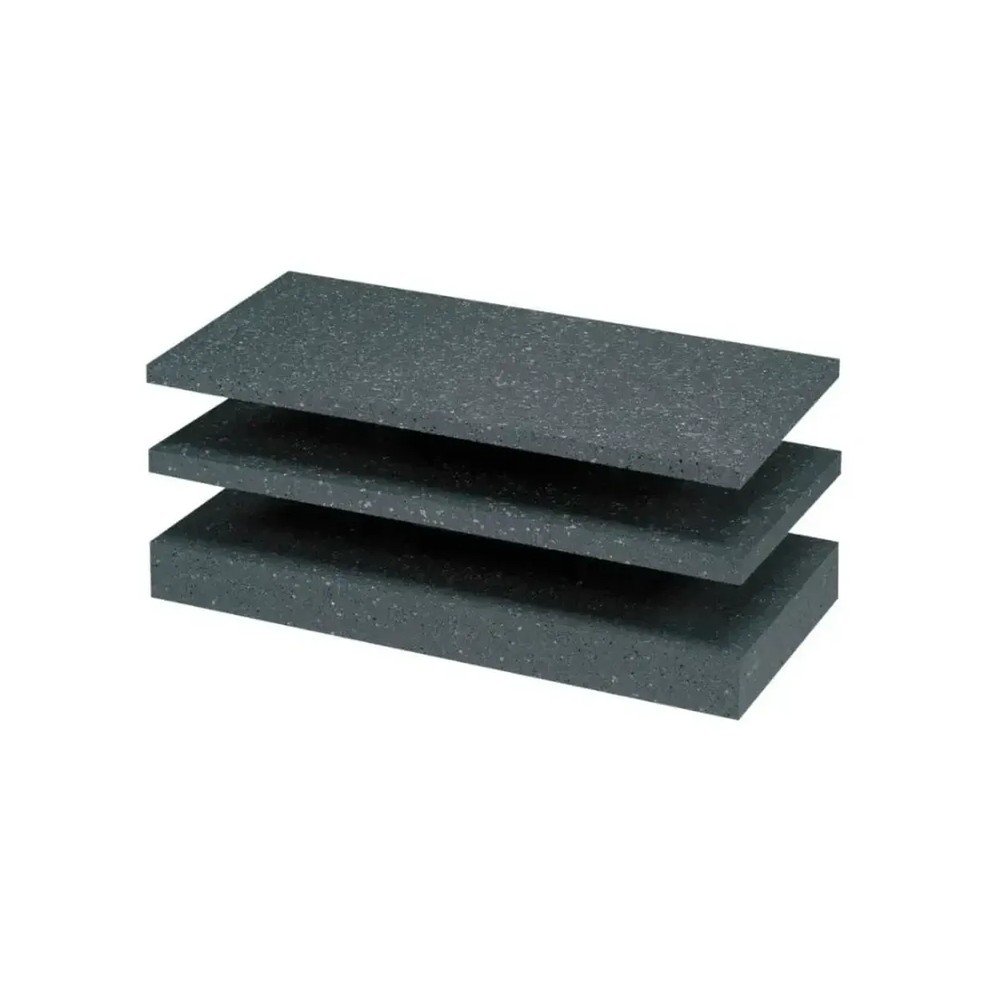
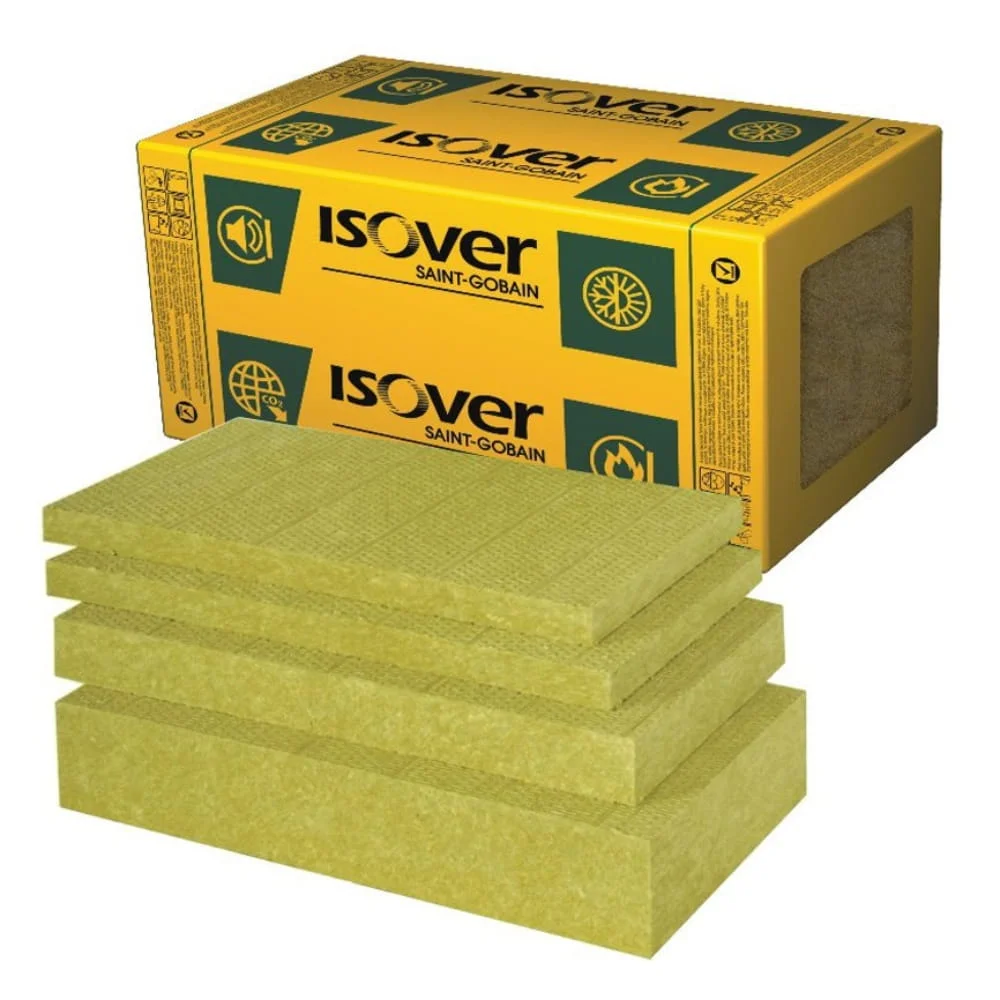
- Insulation boards, most commonly graphite EPS (excellent value and thermal performance) or mineral wool (non-combustible, breathable and better for acoustics). Mineral wool carries the top Euroclass A1 fire rating.
- Mechanical fixings that anchor the boards into the masonry and resist wind loads, typically around 5 to 8 per square metre depending on board size and exposure.
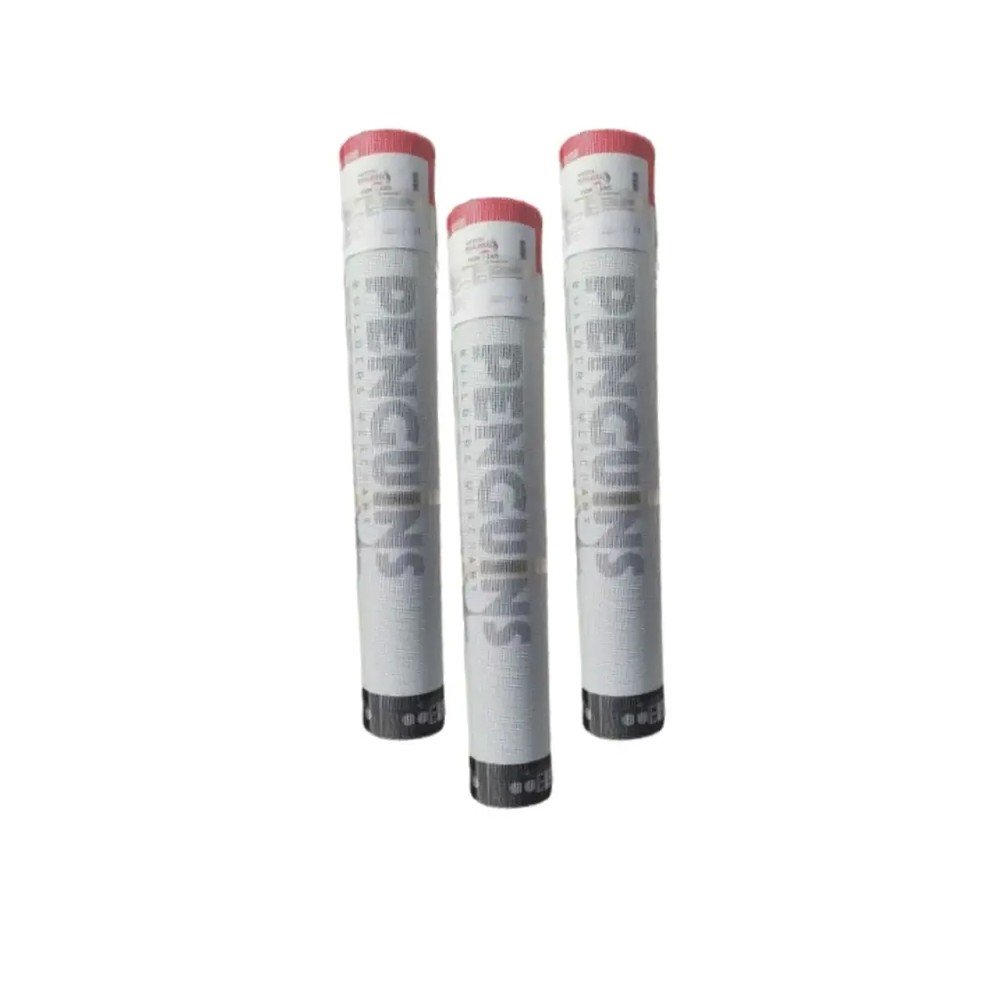
- A reinforced basecoat with an embedded alkali-resistant mesh to prevent cracking and add impact resistance.
- A primer that prepares the surface for the finish.
- A decorative render (silicone, silicate or acrylic) or cladding that weatherproofs the wall and sets the final appearance.
Mixing components from different systems can undermine performance and void warranties, so it is best to use a single certified system throughout.
Core materials from Penguin BM
Key components for the build-up above, ready to order:
What solid wall U-value can you achieve?
U-value measures how quickly heat passes through a wall, expressed in W/m²K. The lower the number, the better the insulation. An uninsulated solid brick wall performs poorly, typically around 2.0 to 2.1 W/m²K. Adding external insulation transforms that figure.
Under Building Regulations (Approved Document L), an upgraded wall element should reach a target solid wall U-value of 0.30 W/m²K or better. A well-specified system meets this comfortably, and with thicker or higher-performance boards it can reach roughly 0.15 to 0.20 W/m²K.
| Wall build-up | Approx. U-value (W/m²K) |
|---|---|
| Uninsulated solid brick wall | ~2.0 to 2.1 |
| Building Regs target for an upgraded wall | 0.30 |
| Typical system (around 90 to 100mm) | ~0.28 to 0.30 |
| High-performance system (thicker or premium boards) | ~0.15 to 0.20 |
The thickness needed depends on the board’s thermal conductivity and your target U-value, so these figures are typical rather than fixed. In practice, board thickness commonly ranges from 90mm to 200mm.
The main benefits
Insulating a solid wall from outside brings several clear advantages:
- Lower heat loss and bills. Solid walls can lose a large share of a home’s heat. A well-designed system cuts that significantly and improves EPC ratings.
- Warmer, more comfortable rooms, with fewer cold surfaces and draughts.
- No loss of internal space, unlike internal insulation, and no room-by-room redecoration.
- Fewer cold bridges, because the insulation wraps continuously across floor and wall junctions.
- Weather protection for the original masonry, reducing freeze-thaw damage and helping the fabric last longer.
- A refreshed façade, which is ideal if the existing render or brickwork is tired.
Correct moisture design matters here. Repair any damp, improve ventilation, and choose breathable finishes where appropriate, especially on older solid-walled homes.
Ready to specify your build-up? Explore our full range of certified boards, adhesives, mesh and renders.
Shop nowTypical costs and grants in 2026
External solid wall insulation is a premium retrofit because it involves scaffolding, skilled labour and careful detailing. As a rough guide, installed costs commonly fall between £90 and £135 per m², with whole-house projects ranging from a few thousand pounds for a small property up to £25,000 or more for a large detached home. We have kept this brief on purpose. For a full breakdown by house type and specification, see our guide to external wall insulation cost.
Grants (correct for 2026, but always check current rules)
Funding changes often, so treat this as a 2026 snapshot rather than a fixed position. The Great British Insulation Scheme (GBIS) closed to applications in early 2026. ECO4 has been extended and now runs until the end of December 2026, funding solid-wall measures for eligible lower-income households through PAS 2030 installers. The council-administered Warm Homes: Local Grant is now a main route and is expected to continue beyond 2026. Grant-funded work must follow the PAS 2035 retrofit framework and use certified installers. For eligibility and how to apply, see our overview of external wall insulation grants, and confirm the latest position before you plan around any scheme, as deadlines and budgets move.
Insulating from outside versus from inside
Many homeowners weigh solid wall insulation from outside against internal insulation. External systems generally perform better overall: they wrap the whole building, avoid thermal bridges at floors and partitions, and keep your floor space intact. They do change the external appearance and may need permission in conservation areas or on listed buildings. Internal insulation is cheaper upfront and can be done room by room, but it reduces room sizes and demands careful vapour control. For most solid-walled homes where the exterior can be altered, the external route is the stronger long-term choice.
If you want to compare routes and systems for a specific property, our solid wall insulation page covers the options in more depth.
Frequently asked questions
Is solid wall insulation worth it?
For most pre-1919 homes, yes. Solid walls are among the biggest sources of heat loss, so the comfort improvement is immediate and the energy savings are meaningful. External systems also protect the brickwork and can lift your EPC rating. Payback is longer than for loft or cavity insulation, often several years, but the day-to-day benefits start straight away.
Can you insulate a solid wall from outside without internal disruption?
Yes, and it is one of the main appeals. All the work happens on the outside of the building, so you keep your internal space and avoid redecorating inside. Scaffolding and external access are needed, so it is worth planning around that.
What solid wall U-value should I aim for?
Aim for at least 0.30 W/m²K to meet Building Regulations for an upgraded wall. Many systems achieve better, down to around 0.15 to 0.20 W/m²K with thicker or premium boards. The right thickness depends on the board type and your target performance.
Do I need planning permission?
External wall insulation is often permitted development, but conservation areas and listed buildings usually need permission. Always check with your local authority before starting work.
Get your system from Penguin BM
Penguin BM supplies complete, certified external wall insulation systems – boards, adhesives, mesh, fixings, basecoats and renders – to trade and homeowners across the UK. Request a trade quote for bulk orders, or collect from our Wembley store at 416 Ealing Road, HA0 1JQ, with fast UK-wide delivery available. Contact our team for expert advice on specifying the right system for your solid-walled property.


Related posts
Discover how silicone render works, when to use it, how it compares to other render systems, typical costs, application steps, and expert FAQs. This SEO‑optimised... Continue reading
Thinking about insulating your home’s exterior walls? While external wall insulation can dramatically cut your energy bills and boost comfort, poor installation can turn it... Continue reading