Get 10% off on all orders over £1000 – offer valid until the end of the year! Get 10% off on all orders over £1000 – offer valid until the end of the year! Get 10% off on all orders over £1000 – offer valid until the end of the year! Get 10% off on all orders over £1000 – offer valid until the end of the year! Get 10% off on all orders over £1000 – offer valid until the end of the year! Get 10% off on all orders over £1000 – offer valid until the end of the year! Get 10% off on all orders over £1000 – offer valid until the end of the year! Get 10% off on all orders over £1000 – offer valid until the end of the year!
Get 10% off on all orders over £1000 – offer valid until the end of the year! Get 10% off on all orders over £1000 – offer valid until the end of the year! Get 10% off on all orders over £1000 – offer valid until the end of the year! Get 10% off on all orders over £1000 – offer valid until the end of the year! Get 10% off on all orders over £1000 – offer valid until the end of the year! Get 10% off on all orders over £1000 – offer valid until the end of the year! Get 10% off on all orders over £1000 – offer valid until the end of the year!
Get 10% off on all orders over £1000 – offer valid until the end of the year! Get 10% off on all orders over £1000 – offer valid until the end of the year! Get 10% off on all orders over £1000 – offer valid until the end of the year! Get 10% off on all orders over £1000 – offer valid until the end of the year! Get 10% off on all orders over £1000 – offer valid until the end of the year! Get 10% off on all orders over £1000 – offer valid until the end of the year! Get 10% off on all orders over £1000 – offer valid until the end of the year! Get 10% off on all orders over £1000 – offer valid until the end of the year! Get 10% off on all orders over £1000 – offer valid until the end of the year!

External wall insulation - Complete guide to EWI systems for modern buildings

External wall insulation (EWI) is one of the most effective solutions for improving a building’s energy efficiency, thermal comfort, and overall appearance. Whether you are upgrading an older property or improving a new build, external wall insulation UK systems provide long-term savings and protection.

If you are looking for a reliable external insulation solution for residential or commercial use, this page gives you a clear, expert-level overview – from how EWI works to choosing the right materials and systems.

What is external wall insulation (EWI)?

External wall insulation (EWI) is a system applied to the outer surface of a building’s walls. It creates a continuous thermal envelope that reduces heat loss, eliminates cold bridges, and protects the structure from weather conditions.

Unlike internal insulation, external house insulation does not reduce interior space and allows the building fabric to retain heat more effectively.

EWI systems are commonly used for:

  • Solid wall properties (brick, block, concrete)
  • Renovation and retrofit projects
  • New builds requiring enhanced energy performance
  • Commercial and residential buildings

You may also encounter terms such as:

  • ewi insulation
  • ewi wall insulation
  • exterior wall insulation
  • outside wall insulation
  • insulation for outside walls

All of these refer to the same concept – insulating the building from the outside.

How external wall insulation works

The principle behind exterior insulation is simple: create a continuous insulation layer around the building to prevent heat transfer.

By installing outside insulation, you:

  • Reduce heat escaping through walls
  • Stabilize indoor temperature
  • Protect walls from moisture and weather damage
  • Improve overall building durability

This makes external home insulation one of the most cost-effective long-term investments for property owners.

Structure of an EWI system (layer by layer)

A professional external wall insulation system consists of several key layers, each performing a specific function within the system.

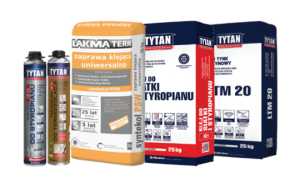
This layer bonds the insulation boards to the wall surface and ensures proper load distribution.
These boards form the thermal core of the system and are responsible for reducing heat loss.

Fixings anchor the insulation boards to the wall, providing additional stability and wind resistance.

A protective layer with embedded mesh that prevents cracking and increases system durability.
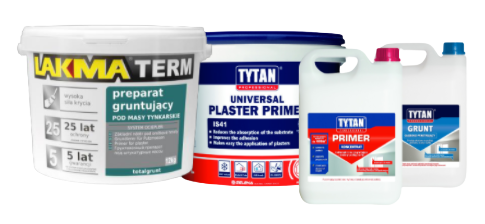
The primer prepares the surface and improves adhesion of the final finishing layer.

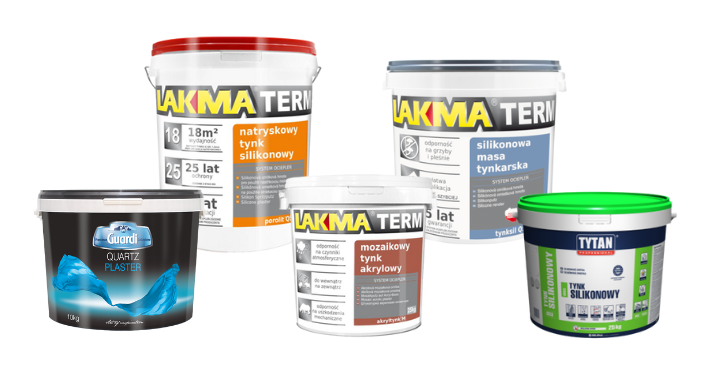
This outer layer protects against weather conditions and gives the façade its final appearance.

Benefits of external wall insulation

Investing in external house insulation brings measurable advantages:

Energy savings

Properly installed outside house insulation can reduce heat loss through walls by up to 30-40%, lowering heating bills significantly.

Improved comfort

Eliminates cold walls and drafts, stabilizing indoor temperatures year-round.

Protection against weather

External insulation shields the building from rain, frost, and temperature fluctuations.

Increased property value

Properties with exterior house insulation are more attractive to buyers and tenants.

Enhanced aesthetics

Modern renders allow full visual transformation of the building façade.

Reduced condensation & mold risk

By keeping walls warmer, external insulation minimizes moisture build-up.

Most common materials used in EWI systems

Choosing the right material is crucial for performance and durability.

EPS (expanded polystyrene)

  • Cost-effective
  • Good thermal insulation
  • Lightweight and easy to install

Mineral wool

  • Fire-resistant (A1 class)
  • Excellent acoustic insulation
  • Breathable (vapour permeable)

PIR / phenolic boards

  • Higher insulation performance (lower lambda)
  • Thinner boards required
  • More premium solution
Each option works within external wall insulation UK standards, but selection depends on your project requirements.

Which buildings should use external wall insulation?

External wall insulation is ideal for:

Solid wall properties

Older buildings without cavity walls benefit the most from outside wall insulation.

Renovation projects

Improve energy performance without major internal disruption.

New builds

Achieve higher energy ratings and compliance with modern regulations.

Commercial buildings

Warehouses, offices, and retail units benefit from external insulation systems.

External vs internal insulation (quick comparison)

While this page focuses on external wall insulation, it’s worth understanding the difference:

Feature External insulation Internal insulation
Heat retention
Excellent
Good
Space loss
None
Reduces room size
Installation disruption
Low
High
Thermal bridging
Minimal
Higher risk

Installation process - what to expect

A professional ewi insulation installation typically follows these steps:

  1. Surface preparation and cleaning
  2. Installation of starter profiles
  3. Adhesive application and board fixing
  4. Mechanical fixing installation
  5. Base coat with mesh
  6. Primer application
  7. Final render finish

Quality installation is just as important as materials – always use certified systems and trained installers.

Why choose a complete EWI system instead of individual products?

A full external wall insulation system ensures:

  • Compatibility between layers
  • Manufacturer-backed warranties
  • Consistent performance
  • Long-term durability

Mixing products from different systems may compromise performance.

External wall insulation UK - regulations & standards

In the UK, external wall insulation must comply with:

  • Building Regulations (Part L – energy efficiency)
  • Fire safety standards (especially for multi-storey buildings)
  • Approved system certifications (e.g., BBA)

Choosing certified materials is essential for compliance and insurance.

FAQ

How long does external wall insulation last?

A properly installed external wall insulation system can last 25-30+ years with minimal maintenance.

Yes. Properties with external insulation are more energy-efficient and attractive to buyers.

Most properties can use outside insulation, but wall condition and structure must be assessed first.

In many cases, no. However, listed buildings or properties in conservation areas may require approval.

Typically between 80 mm and 150 mm, depending on energy requirements and materials used.