
K rend mesh - What it is and how it works in render systems
K rend mesh is a reinforcement fabric embedded into the base coat of a render system to help reduce cracking and improve impact resistance. If you are choosing the right mesh weight and want to make sure it matches the correct base coat and finish, explore our full K Rend range to see how the system layers work together.
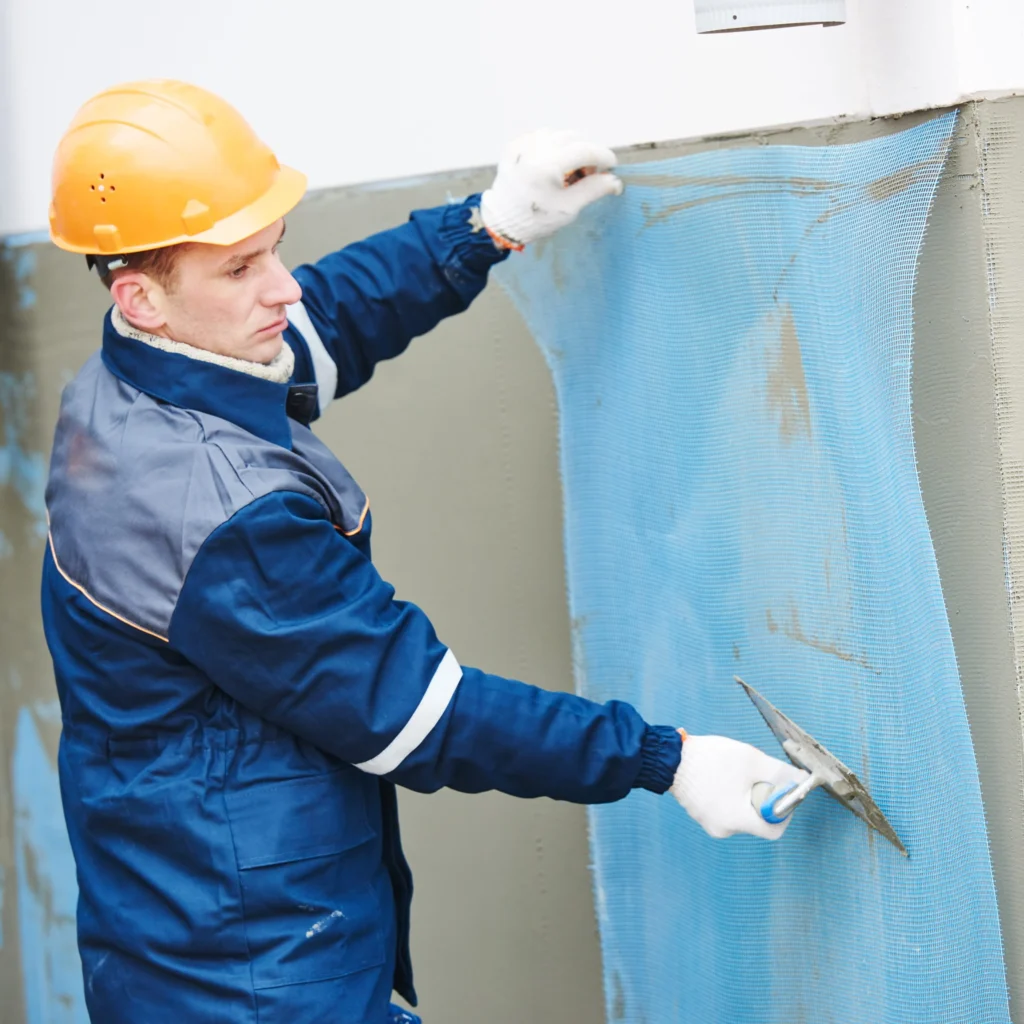
What is k rend mesh?
K rend mesh is an alkali-resistant reinforcement mesh designed to be embedded into the wet base coat before the finish render is applied. Once encapsulated, it strengthens the base layer, helping the overall system cope with movement, thermal changes, and day-to-day knocks.
Key benefits:
- Helps reduce the risk of shrinkage cracking in the base coat
- Improves resistance to minor impacts and surface damage
- Reinforces weak points, especially around openings and junctions
- Supports a more even, consistent render finish by stabilising the base layer
- Contributes to long-term durability when used as part of a system build-up
Where mesh is used (EWI and refurbishment)
In EWI systems, mesh is typically used over insulation boards (such as EPS or mineral wool) as part of the reinforced base coat layer. This reinforcement helps create a stable surface for the finish render and supports performance across larger elevations where thermal movement and weather exposure can be more demanding.
In refurbishment and masonry applications, mesh is used where the background needs extra reinforcement – for example, over repaired areas, mixed substrates, or where cracking risk is higher. It is also commonly specified around openings and junctions to strengthen stress-prone areas and help the render perform consistently.
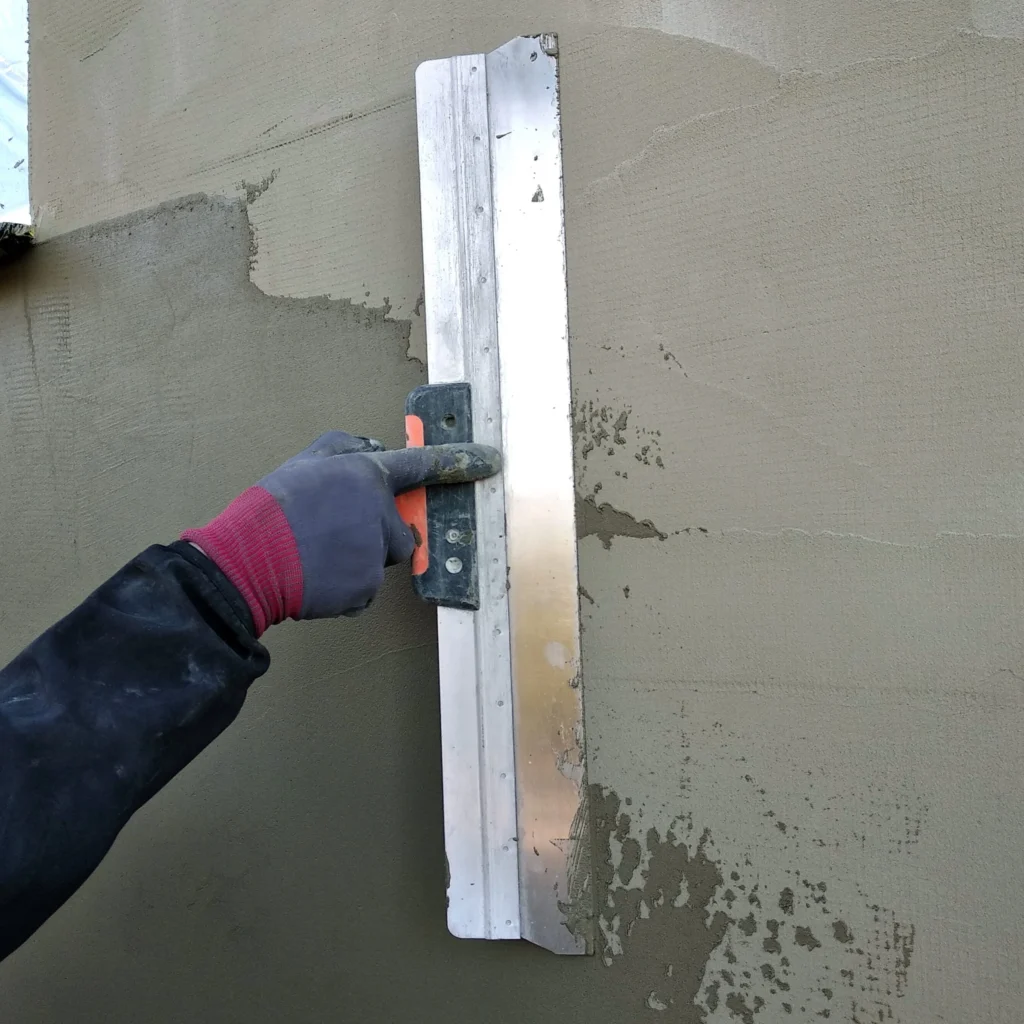
Mesh + base coat - how the layer system works
In a render system, the base coat and mesh are designed to function together as a reinforced layer. The base coat provides the bonding and levelling layer, while the mesh is embedded within it to distribute loads and minimise stress concentrations.
Typical layer build-up (system dependent):
- Substrate or insulation boards (EWI background)
- Fixings and/or adhesive (as specified for the background)
- Base coat (first pass)
- Reinforcement mesh embedded into the base coat
- Base coat (second pass to fully encapsulate and level)
- Primer and finish render (top coat system)
Choosing the right mesh (what matters)
Selecting the right mesh is mostly about compatibility, durability, and using additional reinforcement where the risk is highest. Key criteria to consider:
- Alkali-resistant (AR) mesh: essential because cement-based base coats are alkaline and can degrade non-AR mesh.
- Weight and strength: heavier meshes generally offer higher strength and better impact resistance.
- High-impact areas: lower elevations, walkways, and exposed corners often need extra reinforcement or stronger mesh solutions.
- Detailing around openings: windows and doors benefit from additional local reinforcement to manage stress.
| Area | What to use | Why |
|---|---|---|
Standard facade |
Standard alkali-resistant mesh |
Provides core reinforcement across the main elevation and helps reduce cracking |
High-impact zones (lower areas) |
Heavier duty mesh or additional reinforcement layer (system dependent) |
Improves resistance to knocks and day-to-day impacts where damage risk is higher |
Around openings |
Extra reinforcement pieces plus standard mesh (e.g., local patches/diagonals as specified) |
Helps prevent cracking at stress points around window and door corners |
Common mistakes (and how to avoid them)
- Too little overlap at joints – maintain consistent overlaps so the reinforcement works continuously across the surface.
- Mesh showing through the base coat – ensure the mesh is fully encapsulated within the base coat, not sitting on the surface.
- Poor embedding (creases, voids, or dry spots) – press the mesh evenly into the wet base coat to avoid weak areas.
- No reinforcement at corners and reveals – use appropriate corner details and additional reinforcement where specified.
- Skipping extra reinforcement around openings – add the local reinforcement required around window and door corners to reduce cracking risk.
- Incorrect mesh type (non-alkali resistant) – only use alkali-resistant mesh suitable for cement-based base coats.
- Inconsistent base coat thickness – keep the reinforced layer even so the system cures uniformly and performs as intended.
- Rushing curing and finishing – allow base layers to cure properly before primers and finishes to help avoid later defects.
Products using K Rend system
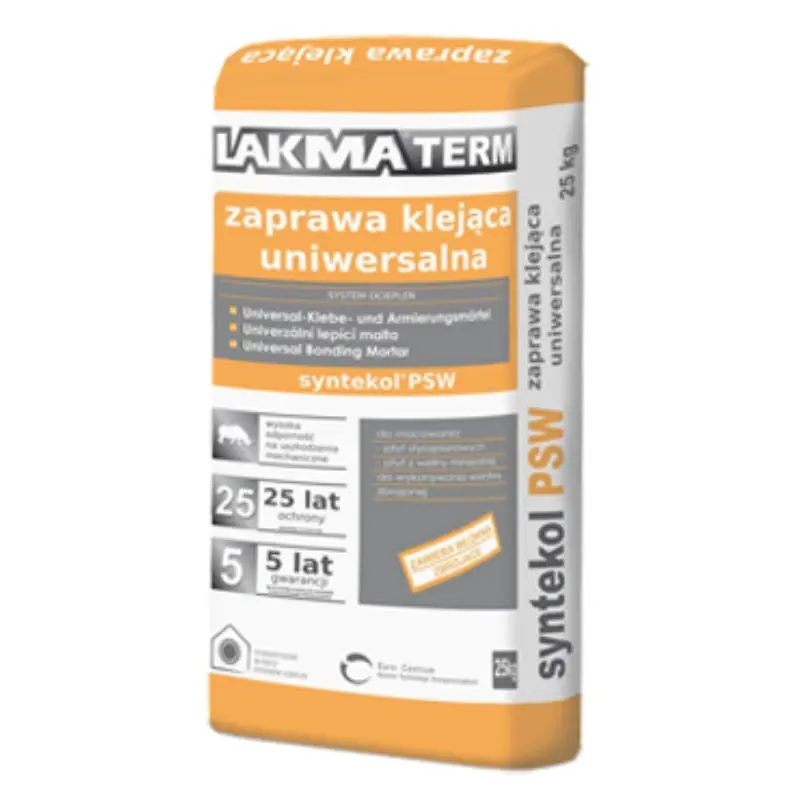
- Vapour-permeable and frost-resistant
- Strong adhesion to EPS and XPS
- Easy to apply and smooth out
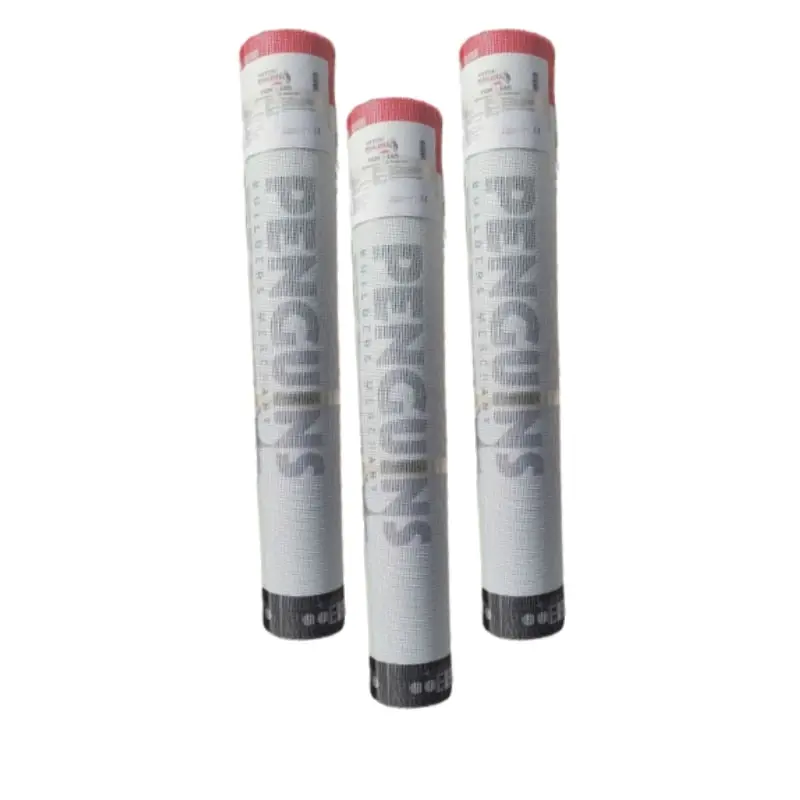
- Reinforces insulation systems
- Increased crack resistance
- Easy to cut and apply

- High thermal insulation
- Moisture resistant
- Easy to install
FAQs about k rend
How much should mesh overlap at joints?
Most systems require consistent overlaps so the reinforcement remains continuous across the facade. The exact overlap can vary by system, so follow the product guidance for your base coat and mesh combination.
Do I need extra mesh around windows and doors?
Why is alkali-resistant mesh important?
Cement-based base coats are alkaline. Non-AR mesh can weaken over time, reducing reinforcement and increasing the chance of cracking or failure.
Can mesh be used on masonry walls without insulation?
Yes. Mesh is often used in refurbishment, especially over repaired areas, mixed backgrounds, or surfaces with a higher risk of movement or cracking.
What causes mesh to show through the render?
Typically it happens when the mesh is not fully embedded or the base coat is too thin in places. The mesh should be encapsulated within the base coat layer, not visible at the surface.
Will mesh stop all cracking?
Mesh helps reduce the risk of cracking by reinforcing the base coat and distributing stresses, but good background preparation and correct system build-up also matter.
Do high-impact areas need a different mesh?
Often, yes. Lower elevations and exposed areas can benefit from heavier duty reinforcement or additional layers, depending on the system specification and site conditions.
Can I add mesh only to problem areas instead of the full wall?
Local reinforcement can help in specific zones (like openings), but full-surface reinforcement is generally used to provide consistent performance across the entire elevation in render and EWI systems.
Contact, location and shop
Quick route to availability checks, collection in Wembley, or delivery planning.
- Store location
416 Ealing Rd, London, Wembley HA0 1JQ, United Kingdom
- Shop online