No products in the cart.
We’re moving! From 1st October, you’ll find Penguin BM at our new store: 17 White Lion Road, Amersham, HP7 9HZ!
Fast UK Delivery
Trade Prices on Bulk Orders
Premium Brands in stock
Pickup in Wembley Store

Menu
Categories
K rend base coat
K rend base coat - What it does and when you need it
K rend base coat is the structural layer in a render system that helps level the substrate, embed reinforcement mesh, and create a stable base for the finish coat. You need it whenever you are building up a full facade or EWI render system and want reliable adhesion, impact resistance, and long-term durability. It is especially important on insulation boards and on mixed or repaired backgrounds where movement and cracking risk is higher.
If you are choosing products within the K Rend range, start here: k rend. That page helps you align the base coat with the correct reinforcement mesh and the right finish, whether you are using a standard textured finish or a k rend thin coat system.
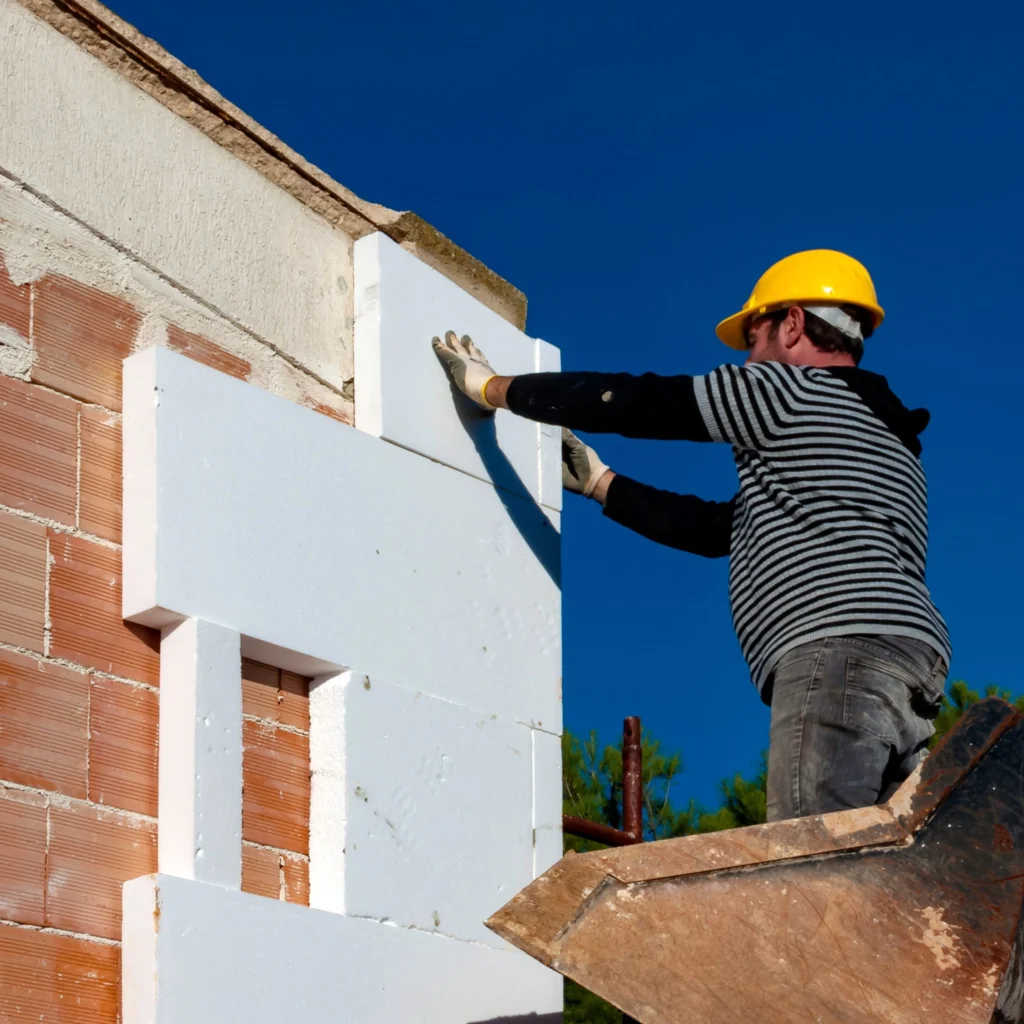
What is a base coat in a render system?
A base coat is the working layer that sits between the substrate (for example insulation boards or masonry) and the finish. It is applied thicker than the top coat, designed to bond strongly, and used to:
- even out minor irregularities and provide a consistent surface
- lock in reinforcement mesh to control cracking
- improve impact resistance and weather resilience
- create a compatible background for the finishing render (for example a k rend top coat)
In short: the base coat does most of the “strength” job, while the top coat does most of the “appearance and weathering” job.
Where k rend base coat is used (EWI and facade systems)
Base coat over insulation boards
In External Wall Insulation (EWI), the base coat is applied over insulation boards (typically EPS or mineral wool) after the boards are fixed and prepared. This layer is where the reinforcement mesh is embedded, turning separate boards into one reinforced, continuous surface that can take thermal movement and minor impacts without showing cracks through the finish.
Key points on EWI:
- the base coat must be compatible with the insulation type and the overall system build-up
- mesh overlap and correct embedment are critical at joints, corners, and openings
- additional reinforcement is often used around windows and doors to reduce stress cracking
Base coat on masonry / refurbishment
On masonry and refurbishment projects, the base coat helps stabilise variable backgrounds such as repaired areas, old render, brickwork, or blockwork. It can improve adhesion and create a more uniform base so the finish coat cures evenly and looks consistent.
Refurbishment is where surface prep matters most:
- remove loose material and address contamination (dust, salts, paint, algae)
- repair cracks appropriately rather than “burying” structural issues
- control suction on very porous backgrounds to avoid rapid drying and poor bonding
| Substrate | Why base coat matters | Notes |
|---|---|---|
EPS insulation boards (EWI) |
Creates a reinforced skin and bridges board joints |
Embed mesh centrally, add corner beads and extra patches at openings |
Mineral wool boards (EWI) |
Reinforces a more flexible surface and reduces impact damage |
Follow system guidance on fixings and mesh detailing |
Brick / block (sound, clean) |
Levels surface and provides a consistent background for finish |
Manage suction and ensure stable, dry substrate |
Existing render (sound areas) |
Helps unify mixed surfaces and reduce visual patchiness |
Remove hollow or loose render first, key where required |
Mixed refurbishment backgrounds |
Reduces differential movement effects between materials |
Use correct prep and consider extra reinforcement in high-risk zones |
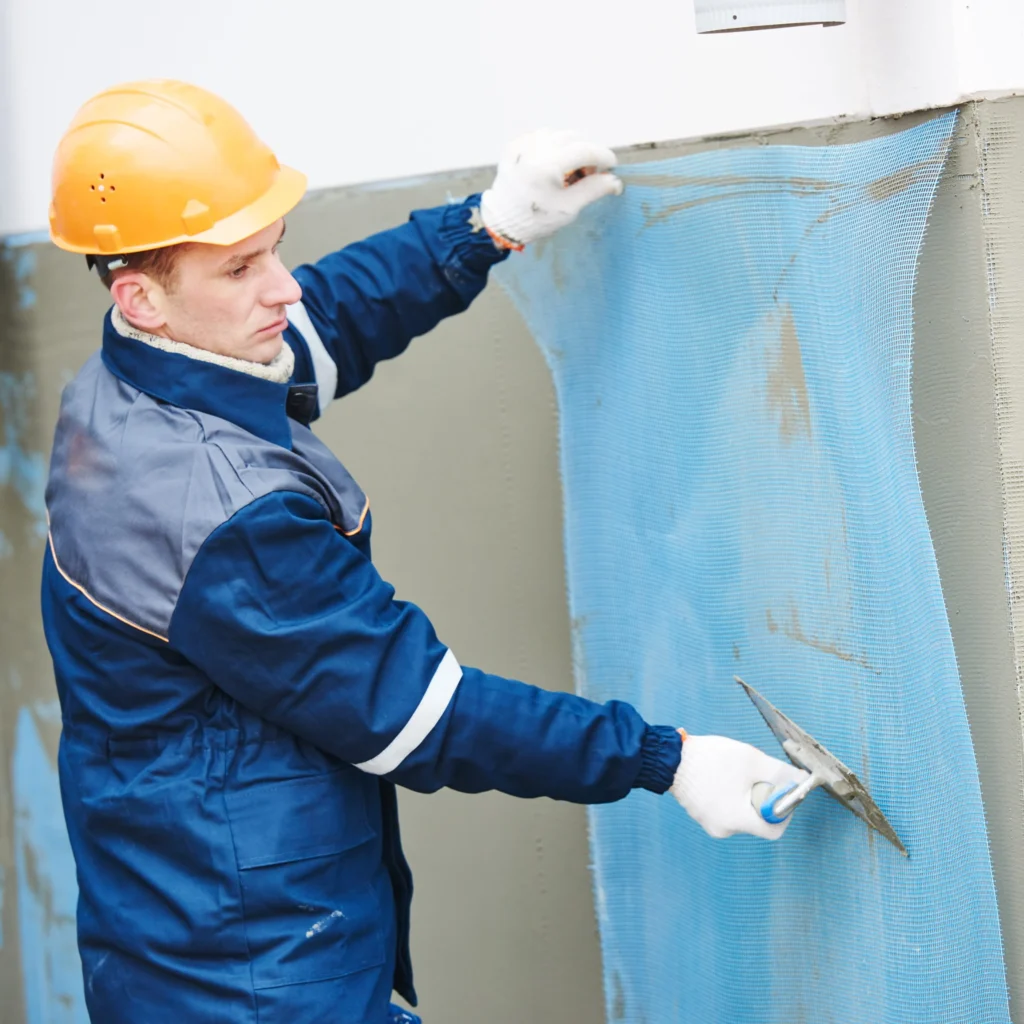
Base coat + mesh - how they work together
The mesh is not a decorative extra – it is the reinforcement that helps distribute stress across the facade. The base coat is what locks the mesh into place and transfers loads into the substrate. Together they reduce the risk of hairline cracking, improve impact resistance, and strengthen vulnerable areas like corners and openings.
Typical build-up layers
- Substrate (insulation boards or masonry)
- Adhesive/fixing layer (where applicable in EWI)
- K rend base coat
- Reinforcement mesh embedded into the base coat (with overlaps)
- Primer (if specified by the system)
- Finish coat (for example a k rend top coat or k rend thin coat finish)
Application basics (overview)
Good results come from controlling conditions as much as from trowel skill.
Weather and temperature
Avoid applying in freezing conditions, strong wind, or direct hot sun. Rapid drying can weaken bonding and increase cracking risk, while cold and damp slow curing.
Thickness and consistency
Apply to the system-recommended thickness. Too thin can reduce strength and mesh coverage, too thick can slump or cure unevenly.
Drying and curing
Allow adequate cure time before the next layer. Rushing to the top coat can trap moisture and contribute to debonding or patchy appearance.
Background prep
The substrate must be stable, clean, and suitably prepared (keyed where needed, suction controlled on porous masonry).
For thin coat finishes, the base coat stage is where most quality issues are decided – flatness, reinforcement, and cure all directly affect how a k rend thin coat looks and performs.
Common issues (cracking, delamination) and prevention
Below are typical site problems and what usually prevents them.
- Hairline crackingPrevention: correct mesh embedment (not sitting on top), correct thickness, protect from rapid drying, add extra reinforcement at openings and stress points.
- Cracks along board joints (EWI)Prevention: tight board fitting, correct fixings, full mesh overlaps, avoid weak spots at joints, ensure base coat fully bridges joints.
- Delamination or poor adhesionPrevention: clean and stable substrate, correct priming/prep where required, avoid applying onto dusty or damp backgrounds, follow mix ratios and working time.
- Mesh showing throughPrevention: apply sufficient base coat thickness, embed mesh centrally (not too close to surface), avoid over-trowelling that pulls mesh up.
- Hollow spots / drummy areasPrevention: consistent pressure during application, good substrate preparation, avoid applying over loose material, ensure full contact on the background.
- Edge cracking around corners and openingsPrevention: use corner beads, diagonal reinforcement patches at window/door corners, maintain mesh overlaps and correct detailing.
- Rapid set / weak surface (powdery finish)Prevention: protect from sun and wind, avoid over-watering, work within recommended conditions, manage suction on masonry.
- Uneven curing leading to patchiness under the finishPrevention: consistent thickness, even drying conditions, correct cure time before applying the k rend top coat or thin coat finish.
Products using K Rend system
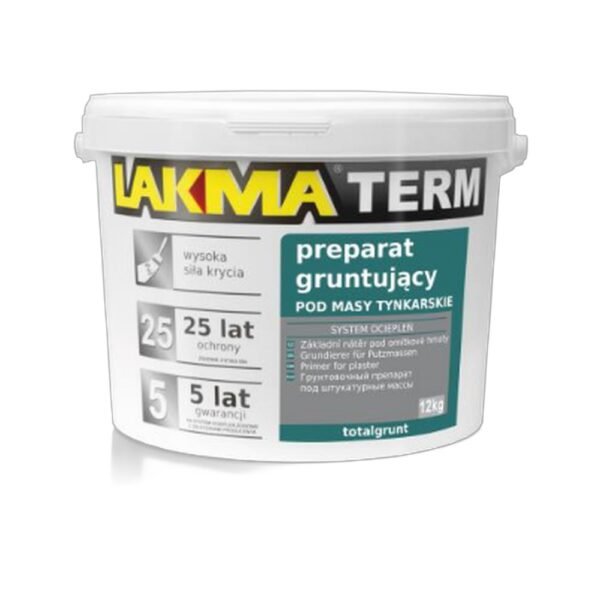
£30.00 – £35.00Price range: £30.00 through £35.00 ex. VAT
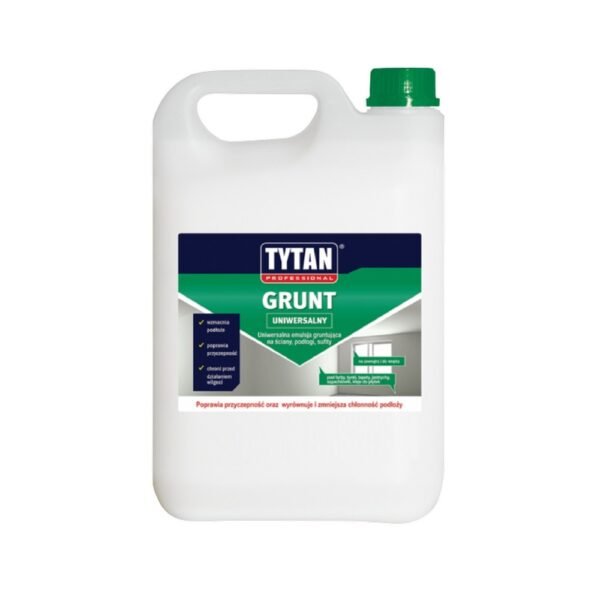
£12.00 – £13.00Price range: £12.00 through £13.00 ex. VAT
£12.00 – £13.00Price range: £12.00 through £13.00 ex. VAT
Frequently asked questions
Is k rend base coat the same as the top coat?
No. The base coat is the strengthening and levelling layer (often with mesh). The top coat is the decorative and weather-facing finish.
Do I always need mesh with a base coat?
In most EWI and full render systems, yes – mesh is a key reinforcement element. On some refurbishment details it may depend on the system and substrate condition, but mesh is commonly used to reduce cracking risk.
Can I use k rend base coat on brick or blockwork?
Lorem ipsum
How thick should the base coat be?
It depends on the system and the substrate, but it is typically applied to a thickness that fully embeds the mesh and provides a stable background for the finish. Always follow the product and system guidance for the specific build-up.
How long should I wait before applying a k rend top coat?
Wait until the base coat has cured sufficiently and moisture can escape. Timing varies by weather, thickness, and background. Rushing is a common cause of debonding and patchy results.
What causes cracking most often?
Typical causes include poor mesh embedment, rapid drying (sun/wind), uneven thickness, insufficient reinforcement at openings, and movement in the substrate or insulation boards.
Does a k rend thin coat system still need a base coat?
Yes. Thin coat finishes rely heavily on a well-prepared, reinforced base coat for flatness, strength, and consistent appearance.
Can I ptach repair base coat and then finish over it?
Often yes, but repairs must be compatible, properly cured, and blended to avoid telegraphing through the finish. On larger areas, it may be better to treat the whole elevation consistently.
Penguin BM
Phone: 075 1528 3453 Phone: 074 2438 1423 Phone: 020 8991 9590
Mon-Fri: 6:30AM - 5:00PM Sat: 6:30AM - 1:00PM Sun: Closed